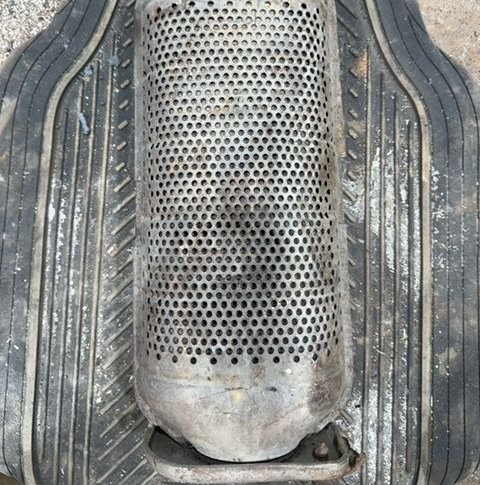
Most scrap cat sellers leave money on the table — not because the market is bad, but because they don't know which converters they're holding. The difference between a low-grade cat and a high-value unit can be hundreds of dollars per piece. If you're selling in Warren, Michigan or anywhere across the US, knowing which vehicle makes and models produce the most valuable converters is one of the most important things you can do before you pick up the phone.
Catalytic converter prices today are driven almost entirely by the precious metal content inside each unit — platinum (Pt), palladium (Pd), and rhodium (Rh). The vehicle it came from determines how much of each metal the substrate contains. And that variation is enormous. A converter off a late-model Prius can be worth many times more than one from a standard sedan. The model matters. The year matters. The condition matters.
This guide breaks down which makes and models consistently produce high-value cats, why they command better prices, and how platforms like the SMASH scrap metal auction marketplace are giving sellers a smarter way to get competitive, documented offers on their inventory.
Why Some Catalytic Converters Are Worth More Than Others
The core reason some converters are worth significantly more comes down to precious metal loading — specifically how much platinum group metals (PGMs) are embedded in the ceramic or metallic substrate. OEM manufacturers engineered these specs based on engine type, emissions requirements, and performance targets. As emissions regulations have tightened over recent decades, many vehicles — especially hybrids and large-displacement trucks — ended up with heavier PGM loads than economy cars.
A few other factors drive scrap cat value:
- Physical size: Larger substrates generally hold more PGMs.
- Number of converters per vehicle: Many trucks and SUVs run dual cats or even four per vehicle.
- Substrate integrity: A rattled-out or cracked substrate has significantly less recoverable metal.
- Foil vs. ceramic: Metallic (foil) substrates, common in high-performance and European vehicles, often contain higher concentrations of rhodium.
- OEM vs. aftermarket: OEM units carry the original PGM loading. Aftermarket replacements (like generic cats) are often worth a fraction of the original.
Understanding these variables helps you sort your inventory before you list or sell. A mixed load of unknown cats is harder to price confidently. A documented load sorted by make, model, and type gives buyers — and you — a much clearer picture of actual value. If you want to get a fair price for your scrap catalytic converters, documentation is the starting point, not an afterthought.
The Most Valuable Catalytic Converters by Vehicle Make and Model
While exact prices shift with the daily PGM market, certain makes and models consistently rank at the top for scrap cat value. Here's where experienced buyers and recyclers focus their attention:
Toyota Prius (Especially 2004–2021)
The Prius is consistently one of the most discussed cats in the recycling industry. Because the hybrid drivetrain cycles the engine on and off frequently, the converter operates at lower temperatures for longer periods. Toyota compensated by loading it with a higher concentration of palladium and platinum to maintain emissions efficiency. The result: a cat that is significantly more valuable at scrap than most sedans. Multiple converter types exist across Prius generations, so serial tracking matters here.
Ford F-250 and F-350 Super Duty (Diesel and Gas)
Full-size Ford trucks — especially 6.2L and 7.3L gas variants — often carry large-format OEM cats with substantial PGM content. Some dual-cat configurations mean you may be pulling two valuable units per truck. In Michigan, where heavy-duty trucks are everywhere on the roads, recyclers in areas like Warren frequently see these come through their yards. Know what you have before you price the load.
Lamborghini, Ferrari, and High-Performance Exotics
Exotic performance vehicles use metallic foil substrates with dense rhodium and palladium loading. A single cat off a Lamborghini Aventador or Ferrari 488 can represent significant value in any market condition. These are less common in everyday recycling volume, but when they show up, treating them as generic cats is a costly mistake.
BMW and Mercedes-Benz (Larger Displacement Models)
European luxury vehicles, especially larger-engine models like the BMW 7 Series, X5M, or Mercedes S63 AMG, carry high-grade OEM converters. The metallic substrate construction used by many German manufacturers contributes to above-average rhodium recovery. Verify OEM vs. aftermarket before pricing — these models are also popular for cat replacements with low-value aftermarket units.
Honda Accord and Civic (V6 Accord in Particular)
Honda's OEM converters, particularly from V6 Accord models, are among the more valuable import cats in everyday yard volume. They're common, which means recyclers see them frequently — but their value per unit still outpaces many domestic economy cars. The 2003–2007 Accord V6 era is a well-known reference point in the industry.
GMC Sierra and Chevrolet Silverado (1500 and 2500)
GM's full-size truck lineup generates solid scrap cat value, particularly pre-2020 models with larger displacement V8 engines. Like the F-Series, these trucks sometimes carry dual converters, multiplying your per-vehicle yield. In Michigan's rust belt, these trucks represent a significant share of what comes off the road and into yards.
How to Identify Your Cats Before You Sell
You can't price what you can't identify. This is where a lot of sellers — especially those new to the process — give up money. Walking into a sale with a mixed, unlabeled load puts all the pricing power in the buyer's hands. The more you know going in, the better the conversation goes.
Practical steps to identify your converters:
- Use the serial number or OEM part number. Most OEM cats have a stamped serial or part number on the body. Reference databases exist — or platforms like SMASH support serial tracking to help document inventory accurately.
- VIN lookup. If you know the vehicle the cat came from, a VIN can help confirm the OEM converter specification. SMASH's inventory tool supports VIN-referenced documentation.
- Photo documentation. Clear photos of both ends of the converter and the serial marking help buyers assess remotely and bid with confidence.
- Sort by type. Separate large GM trucks from imports from European models. Mixed loads price to the lowest common denominator.
- Check substrate condition. Rattle a cat gently — a broken-up substrate is worth significantly less. Document this honestly.
If you're based in Warren or anywhere across Michigan and you're regularly pulling cats from vehicles, building an identification habit upfront pays off on every load. Read scrap catalytic converter guides to go deeper on identification, pricing, and sorting strategy.
Why a Catalytic Converter Auction Gets You Better Price Discovery
The old model: call one buyer, take their number, move on. The problem with that model isn't the buyer — it's the absence of competition. Without multiple buyers seeing your inventory, you have no way to know if the offer you received reflects actual market value or just one buyer's margin target.
A catalytic converter auction changes that dynamic entirely. When vetted buyers compete on the same documented load, price discovery happens in real time. The market sets the price — not one person's phone quote. That's the structural advantage of using the SMASH scrap metal auction marketplace. More buyers seeing your inventory means better information and more competitive offers. No subscription fees. SMASH only wins when you do.
For recyclers in Warren and across Michigan, this matters because regional buyer networks can be limited. A local yard may have two or three regular cat buyers. An auction platform opens your inventory to a vetted buyer network across North America. Documented inventory gives buyers more confidence to bid aggressively. Competition can help reveal the market.
Catalytic Converter Prices Today: What Moves the Market
PGM spot prices fluctuate daily based on global supply, manufacturing demand (especially from the auto industry), and macroeconomic factors. Palladium, platinum, and rhodium don't move in lockstep — each has its own market dynamics. Rhodium, historically the most volatile of the three, can swing dramatically in either direction within a single quarter.
What this means practically for sellers:
- A cat that was worth $X last month may be worth more or less today depending on palladium or rhodium movement.
- Holding inventory while prices move in the wrong direction costs you money. Selling when the market is favorable requires knowing current rates.
- Buyers who offer flat rates or "standard" prices regardless of the PGM market are often pricing in their own buffer. That buffer comes from your margin.
- Documenting your cats and selling through a competitive format gives you a cleaner read on what the market actually pays on any given day.
Disclaimer: Catalytic converter scrap prices fluctuate based on daily PGM spot markets. Always check current rates before selling. The values referenced in this article are for educational context only and do not represent guaranteed offers or current pricing.
If you want to know how much your catalytic converter is worth scrap — by type, by reg, or by vehicle — the most accurate answer comes from current buyer offers against documented inventory. Not a fixed chart from last quarter. Find the best scrap cat prices today by getting a real offer based on what you actually have.
Whether you're a high-volume yard in Warren running dozens of cats a week or a smaller operation sorting your first real load, the process works the same way: identify your inventory, document it properly, and let buyers compete. That's how you stop guessing and start selling at actual market value. Get a free quote at best-scrap-cat-prices.com and see what your load is really worth.
Frequently Asked Questions
Q: Which catalytic converter is worth the most money at scrap today?
Toyota Prius converters, large-format Ford and GM truck cats, and exotic European models (Ferrari, Lamborghini, high-displacement BMW and Mercedes) consistently rank among the highest-value units. The actual scrap cat value depends on the daily PGM market, substrate condition, and whether the unit is OEM or aftermarket.
Q: How do I find catalytic converter buyers near me open now in Warren, Michigan?
Start with local recycling yards in the Warren area and compare offers — don't accept the first number you get. For larger loads, online auction platforms like SMASH connect you with vetted buyers across the US so you're not limited to whoever happens to be open locally. More buyers means better price discovery.
Q: How much is my catalytic converter worth scrap by reg or serial number?
The serial or OEM part number stamped on your converter links to a known type, which buyers use to estimate PGM content. Reference databases exist, and platforms like SMASH support serial tracking as part of inventory documentation. Knowing your serial number before you sell gives you a major advantage in negotiations.
Q: Does a catalytic converter auction actually get me better prices?
Competition can help reveal the market. When multiple vetted buyers bid on your documented inventory, you get a clearer read on what the market will pay — rather than one buyer's quoted number. Documented inventory also gives buyers more confidence to bid closer to real value.
Q: Are aftermarket catalytic converters worth the same as OEM at scrap?
No — aftermarket replacement cats typically contain far less precious metal than OEM units and are worth significantly less at scrap. Always identify whether a converter is OEM before pricing your load. Mixing aftermarket and OEM units without sorting them will drag your average price down.
Stay current on scrap metal market trends and industry insights by following SMASH on LinkedIn.
```