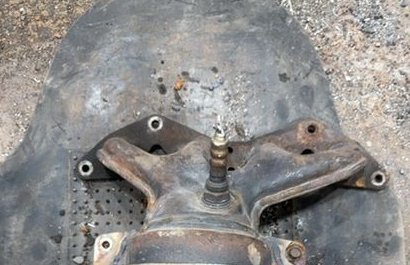
Auto shops sitting on a pile of spent catalytic converters are leaving real money on the table — especially if they're still calling one buyer and taking whatever price they're offered. If your shop pulls converters regularly, you're not just handling waste. You're holding material loaded with platinum, palladium, and rhodium. Understanding catalytic converter scrap value — and how to sell smart — is the difference between a mediocre payout and a competitive one.
This guide is for auto shops in Toledo, Ohio and across the state that want to move bulk converter inventory the right way in 2026. Whether you're new to selling scrap cats or you've been doing it for years with the same single buyer, there's a better process available to you.
Why Bulk Selling Changes the Equation for Auto Shops
A single converter off a routine exhaust job doesn't move the needle much. But a shop doing consistent volume — oil changes, inspections, timing jobs, full exhaust replacements — accumulates inventory fast. Selling in bulk isn't just more efficient. It puts you in a stronger negotiating position and gives buyers something worth bidding on.
Buyers price bulk loads differently than individual units. When you show up with a documented, sorted load of converters, you're easier to deal with. You have a packing list. You know what you've got. That kind of preparation signals to a buyer that you're a serious seller — and serious sellers get better attention. Platforms like get competitive bids for your scrap metal exist specifically to connect sellers with multiple vetted buyers, so no single buyer controls your price.
- Bulk loads attract more buyer interest than single units
- Sorted, documented inventory gets priced more accurately
- Volume sellers have leverage — use it
- Holding material too long ties up cash flow; a clear selling schedule fixes that
Know What You're Holding: Catalytic Converter Scrap Value Basics
Not all converters are worth the same. A domestic cat off a standard sedan is priced differently than a diesel cat, a foreign unit, or a high-value converter from a luxury or performance vehicle. The metal content inside — platinum group metals (PGMs) including platinum, palladium, and rhodium — drives the price. There's no flat rate. Every unit has a different loading of precious metals baked into the substrate.
Palladium has been one of the most volatile PGMs over the past several years. The palladium price today directly affects what your converters are worth, which is why prices shift frequently. Buyers use assay data or published price lists to estimate what's inside each converter type. Knowing the general category of each unit you're holding — domestic, foreign, small, large, diesel — helps you anticipate your payout range and spot an undervalued offer before you accept it.
A few things that affect catalytic converter scrap value:
- Unit type: Foreign units often carry higher PGM content than domestic equivalents
- Physical condition: Intact substrates grade better than crushed or damaged units
- Market timing: PGM spot prices move — a load sold today prices differently than the same load sold next month
- Buyer access: A single buyer quotes what they want to pay. Competition reveals what the market will actually pay
Disclaimer: Precious metal prices fluctuate daily. Always check current rates before finalizing any sale. The figures in any price list you reference should be treated as estimates, not guarantees.
Practical Steps for Auto Shops to Sell Catalytic Converters Online
If your current process is calling one local buyer, loading everything into a truck, and accepting whatever they offer — you're leaving price discovery on the table. The shift to sell catalytic converters online isn't complicated, and it doesn't require you to become a metals expert. It requires a process.
Here's what a solid bulk-selling workflow looks like for a shop in Toledo or anywhere else in Ohio:
- Sort as you pull: Separate units by type (domestic, foreign, diesel, aftermarket) as they come off the vehicle. Mixing everything into one bin makes it harder to get an accurate quote.
- Document with photos: Take clear photos of each unit. Buyers want to see the condition of the substrate and the overall unit. Good photos reduce disputes and increase buyer confidence.
- Use VIN or serial data where available: Some platforms support VIN lookup and serial tracking, which helps match converters to known assay data. This isn't always possible, but when it is, it works in your favor.
- Build a packing list: Count your units, note the types, and keep a written record before you sell. This protects you and gives buyers something concrete to quote against.
- Get multiple bids: This is the most important step. One quote is not a market price. Multiple quotes are.
SMASH is built for exactly this kind of structured bulk selling. The platform lets you document your inventory, connect with vetted buyers, and run a competitive process — so you're not guessing what your material is worth. You can find the best scrap cat prices today by putting your load in front of more than one buyer at once.
Regulation Updates Auto Shops Should Know in 2026
Catalytic converter theft drove a wave of legislation across the U.S. starting in the early 2020s, and those laws have continued to evolve. Ohio has been among the states that tightened requirements around who can buy and sell converters and what documentation is required at the point of sale. As a licensed auto shop, you're in a better position than an anonymous seller — but that doesn't mean you can ignore compliance.
In 2026, auto shops selling scrap cats in Ohio and across other states should be aware of:
- Seller identification requirements: Many states require sellers to provide business identification and proof that the converters were legitimately removed from vehicles the shop serviced.
- Record-keeping obligations: Some jurisdictions require buyers and sellers to maintain transaction records for a set period. Keep your packing lists and invoices.
- Buyer vetting: Selling to unlicensed or unvetted buyers creates risk for your shop. Use platforms that verify the buyers on their network.
- Serial and VIN documentation: More states are pushing toward stricter documentation at the unit level. Getting ahead of this is smart business, not just compliance.
This is an area where the old way of doing things — cash transactions with anonymous buyers, no paper trail — creates real legal exposure. Working through a documented, auditable process protects your shop. Read scrap catalytic converter guides to stay current on what's changing in your region.
Toledo shops specifically should check with the Ohio Bureau of Motor Vehicles and local ordinances, as municipal requirements can layer on top of state law. If you use Toledo scrap metal services through a compliant platform, much of the documentation burden is handled inside the transaction itself.
What to Look for in a Scrap Cat Buyer
Not every buyer is equal. Some pay fast but pay low. Others quote high and then adjust after they inspect the material. Knowing what separates a solid buyer from a frustrating one saves you time and money.
When you sell catalytic converters in Ohio — or anywhere — here's what a trustworthy buyer relationship looks like:
- Transparent pricing basis: Buyers should be able to explain how they arrived at their quote — PGM content estimates, current spot prices, grade of material.
- Clear payment terms: How and when do you get paid? Net 30 is common in the industry, but understand the timeline before you ship.
- No surprise deductions: Some buyers quote one number and deduct processing fees, shipping charges, or refining margins after the fact. Get the all-in number before you commit.
- Verified business credentials: A legitimate buyer has a business address, a license, and a track record. Anonymous buyers operating without documentation are a risk you don't need.
- Auto-invoicing and documentation: The best buyer relationships include clean paperwork on both sides. If a buyer can't or won't provide an invoice, that's a problem.
SMASH vets buyers on the platform before they can participate in auctions. That means when you put your converter inventory into a SMASH auction, you're not fielding calls from unknown parties. You're getting bids from buyers who've been verified. That's a fundamentally different experience than cold-calling a local yard and hoping for the best. Get a fair price for your scrap catalytic converters by working with a platform that has already done the buyer screening for you.
Building a Long-Term Bulk Selling Strategy for Your Shop
One-off transactions are fine when you're just cleaning out a backlog. But if your shop generates converter inventory consistently, a repeatable strategy is worth building. Think of it like any other part of your shop's operations — parts procurement, scheduling, invoicing. Your scrap metal output deserves the same structure.
A few principles that work for high-volume shops:
- Set a selling cadence: Monthly or quarterly bulk sales are easier to manage and attract better buyer interest than sporadic micro-loads.
- Track what you're pulling: A simple log of unit type, vehicle make/model, and date pulled gives you real data on your inventory mix over time.
- Review market conditions before selling: PGM prices move. A quick check of palladium and rhodium spot prices before you go to market helps you time your sales better — or at least understand the context of what you're being offered.
- Use competitive bidding every time: Even if you have a preferred buyer, putting loads to market occasionally confirms whether you're getting fair value. Competition is the best price check available.
Toledo auto shops that build this kind of structure aren't just getting better prices. They're running a tighter operation with less cash tied up in sitting inventory and more predictable secondary revenue from their scrap stream.
Frequently Asked Questions
Q: How do I know if I'm getting a fair price for my scrap catalytic converters?
The clearest signal is competition. If you're only getting one quote, you have no reference point. Get bids from multiple buyers — through a platform like SMASH or by contacting several buyers directly — and compare. Price transparency improves the moment more than one buyer is involved.
Q: Does the condition of the catalytic converter affect its scrap value?
Yes. An intact converter with an undamaged substrate grades better than a crushed or gutted unit. Buyers estimate PGM content based on known data for each unit type, but physical damage can reduce the recoverable material and lower the offer. Handle converters carefully and document their condition with photos before selling.
Q: Can auto shops in Toledo legally sell scrap catalytic converters?
Yes, licensed auto shops in Toledo and across Ohio can sell converters they remove in the normal course of vehicle service. Ohio state law and local ordinances may require documentation of the transaction and proof that the units came from vehicles the shop serviced. Always keep records and work with verified buyers to stay compliant.
Q: How often do catalytic converter scrap prices change?
Prices shift with the PGM spot market, which moves daily. Palladium, platinum, and rhodium prices all feed into converter valuations. A quote from last week may not reflect today's market. Always check current rates before finalizing a bulk sale.
Q: What's the best way to sell catalytic converters online in bulk?
Document your inventory with photos and a packing list, sort by unit type, and put your load in front of multiple vetted buyers through a platform built for this. SMASH handles the buyer vetting, auction process, and invoicing — so you're not managing logistics manually or chasing down payment.
If your shop is ready to stop guessing and start getting competitive prices for your converter inventory, the process is simpler than you think. Head to best-scrap-cat-prices.com to get a free quote and see what your scrap cats are actually worth in today's market.
Stay sharp on scrap metal market trends and industry updates — follow SMASH on LinkedIn at https://www.linkedin.com/company/scrap-metal-auction-sales-hub for regular insights on PGM pricing, regulation changes, and what's moving in the scrap industry.
```