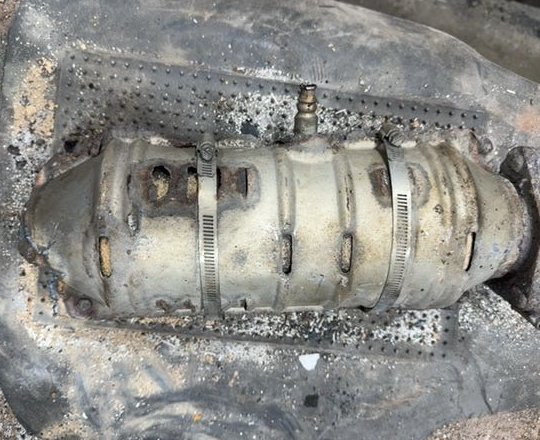
Rhodium Is Worth More Than Gold — And It's Sitting in Your Scrap Cats
Most scrap sellers know their catalytic converters are worth something. Few realize that a single gram of rhodium — one of the three platinum group metals (PGMs) inside every cat — can outprice gold by a factor of ten or more depending on market conditions. If you're planning to sell catalytic converters online without understanding what's driving your scrap cat value, you're negotiating blind.
This isn't a history lesson. Rhodium prices are live, volatile, and in September 2026, they remain the single biggest variable separating a low-ball offer from a fair payout. Here's what you need to know — and how to stop leaving money on the table.
What Makes Rhodium the Most Valuable Metal in a Catalytic Converter
Every catalytic converter contains a washcoat — a ceramic or metallic substrate coated with a precise blend of platinum, palladium, and rhodium. These three platinum group metals trigger the chemical reactions that convert exhaust toxins into less harmful gases. Without them, the converter doesn't work. That's why regulators mandate them, and why they command serious recycling value.
Rhodium does something the other two metals struggle with alone: it converts nitrogen oxides (NOx) into harmless nitrogen and oxygen. That function is non-negotiable under U.S. emissions standards, which have only tightened heading into 2026. Automakers can't substitute their way around it.
- Platinum — handles oxidation of carbon monoxide and hydrocarbons; widely mined but still scarce
- Palladium — more common in gasoline engines; prices have been volatile but remain strong
- Rhodium — rarest of the three; almost entirely sourced as a byproduct of platinum mining in South Africa; no primary rhodium mines exist
That supply constraint is what makes rhodium pricing so extreme. When auto production ramps up globally, demand spikes and there's no switch to flip on the supply side. When you hand a cat to a buyer without knowing its rhodium loading, you're handing over leverage you earned.
How Rhodium Content Varies Across Different Converter Types
Not every scrap cat is equal — and understanding the spread between low-value and high-value units is the difference between getting paid fairly and getting taken. PGM loading varies significantly by vehicle type, engine configuration, model year, and whether the cat is a primary or secondary unit.
Generally speaking, larger displacement engines running tighter emissions packages carry heavier PGM loadings, including more rhodium. Late-model domestic trucks and SUVs built in Michigan and assembled in the Midwest often run dual catalysts, which means double the scrap cat value if you pull both units correctly. Diesel oxidation catalysts (DOCs) are typically lower in rhodium but can carry meaningful platinum. Foreign pre-cats — those small, oval-shaped units mounted close to the engine manifold — often punch well above their weight in PGM content.
- High-value units: pre-cats (foreign and domestic), OEM primary cats on late-model trucks, full-size SUV converters
- Mid-range units: standard domestic passenger car cats, aftermarket OEM replacements on common platforms
- Lower-value units: aftermarket direct-fit replacements, universal cats, diesel DOCs (though platinum content can still add up)
If you're running a yard in Warren or anywhere in southeast Michigan, you're likely seeing a wide mix — older domestic platforms, fleet vehicles, and everything in between. Sorting and correctly identifying those units before you sell matters. Photo documentation, serial number tracking, and VIN lookups are what separate informed sellers from ones who guess. Platforms like get competitive bids for your scrap metal are built to support that kind of documented, transparent selling.
Why the Platinum Price Today Still Matters — Even When Rhodium Leads
Rhodium dominates the headlines, but a complete picture of your scrap cat value always accounts for all three PGMs. Platinum price today directly affects the payout calculation on virtually every converter type. When platinum is running strong, even mid-grade cats that carry minimal rhodium still return solid numbers. When platinum softens, the rhodium-heavy units hold their ground while the rest of your stack takes a hit.
That's why checking a single metal's price in isolation is a mistake. Your buyer — if they're doing this correctly — is running assays or referencing per-unit PGM data that accounts for the full blend. An honest cat converter buyer prices your load based on all three metals, not just the one that's easiest to quote over the phone. If someone gives you a flat-per-unit price without referencing current PGM markets, you're not dealing with someone using a real catalytic converter price list.
In markets like Warren, Michigan, where auto industry proximity drives high converter volumes through recycling yards, understanding daily PGM fluctuations isn't optional — it's part of running a profitable operation. Platinum group metals recycling done right means staying current on all three metals simultaneously and pricing your inventory accordingly.
Disclaimer: PGM prices fluctuate daily based on global commodity markets. Always verify current rates before finalizing any sale. The information in this article reflects general market dynamics as of September 2026 and should not be used as a substitute for real-time pricing data.
Scrap Metal Inventory Management: The Step Most Sellers Skip
Here's where a lot of yards — even experienced ones — bleed money. You can know everything about rhodium's role in PGM pricing and still underperform if your inventory is a mess. Sloppy documentation leads to underpaying yourself. Buyers who see disorganized loads without photos or serial records have every reason to bid conservatively. Uncertainty costs you money, not them.
Strong scrap metal inventory management before you sell does three things:
- Builds buyer confidence. A documented load with photos and part identification tells a buyer exactly what they're bidding on. That clarity encourages stronger offers.
- Prevents disputes at settlement. When every unit is tracked with serial numbers and photos before it ships, there's a paper trail. You know what left your yard. No surprises at assay time.
- Gives you real data for future decisions. If you track what you sold, at what price, and to which buyer, you can identify patterns — which units perform best, which buyers pay consistently, when to hold and when to move.
SMASH is built around this kind of documented selling. The platform's inventory tools support photo uploads, serial tracking, and organized load documentation before the auction even opens. When your cats hit the auction block with real documentation behind them, the buyers bidding are doing so with confidence — and competition between confident buyers is what drives better price discovery.
If you want to find the best scrap cat prices today, the inventory work you do before the sale is half the battle.
Why Selling Catalytic Converters Online Gets You More Than One Phone Call
The old way of moving scrap cats: call your guy, take his price, load the truck. Maybe you shop it to one other buyer if you have the time. That's not price discovery — that's a coin flip with extra steps.
When you sell catalytic converters online through a competitive auction format, the dynamic changes completely. Multiple vetted buyers are bidding against each other on your documented load. They're not doing you a favor — they're competing for your material. That competition is what reveals what your load is actually worth in the current market.
SMASH connects scrap sellers with vetted buyers across North America through exactly this format. No subscription fees. No guessing. The platform only wins when the seller wins. For yards in Warren and across Michigan handling regular cat converter volume, that model adds up fast — especially when rhodium content is running high in your stack.
You can also read scrap catalytic converter guides to sharpen your knowledge before your next sale. The more you know going in, the stronger your position at settlement.
What Warren, Michigan Sellers Should Know Before Their Next Cat Sale
Warren sits in the heart of one of the densest auto recycling corridors in the country. That means high converter volume, strong buyer interest, and also — real competition between sellers. If your neighbor's yard is documenting their loads and running them through competitive platforms while you're still taking one-call prices, the gap in realized value adds up over a full year of sales.
Michigan sellers also deal with seasonal volume swings tied to the domestic auto cycle. When production ramps and fleet vehicles cycle out, converter volume picks up. That's exactly when getting organized — knowing what you have, documenting it properly, and putting it in front of multiple buyers — pays off most. Don't wait until you have a full trailer to start thinking about how you'll sell it.
The best move you can make right now is to get a fair price for your scrap catalytic converters by putting your documented inventory in front of real buyers who are competing for it. That's not a pitch — that's just how markets work.
Frequently Asked Questions
Q: Why is rhodium more valuable than platinum or palladium in scrap catalytic converters?
Rhodium is the rarest of the three platinum group metals found in catalytic converters. It has no primary mining source — it's only recovered as a byproduct of platinum mining, almost entirely from South Africa. Because demand from automakers is steady (rhodium is required for NOx conversion under U.S. emissions standards) and supply is constrained, prices remain elevated relative to the other PGMs.
Q: How do I sell catalytic converters online safely and get a fair price?
Use a platform that connects you with vetted buyers through a competitive auction format. Document your inventory with photos and serial numbers before listing. Avoid single-buyer arrangements where there's no pricing competition. Platforms like SMASH are built specifically to give sellers transparent, competitive options without subscription fees.
Q: Does the platinum price today affect what I get paid for my scrap cats?
Yes — every catalytic converter contains a blend of platinum, palladium, and rhodium. Your total payout reflects the current market price of all three metals, weighted by the actual content in your units. That's why checking live PGM prices matters before any sale, and why buyers using real assay data will always out-price flat-rate offers.
Q: Are there good cat converter buyers in Warren, Michigan?
Warren and the broader southeast Michigan region have strong buyer demand given the area's auto industry ties and recycling corridor volume. That said, local proximity doesn't guarantee competitive pricing. Online auction platforms give you access to vetted buyers across North America — often generating stronger offers than a single local buyer with no competition.
Q: What is a catalytic converter price list and should I trust one?
A catalytic converter price list is a reference guide that assigns per-unit values to specific converter types based on their PGM content and current metal prices. Legitimate buyers use these lists — updated regularly — to price individual units. Be cautious of static, undated price lists or buyers who won't explain how they're valuing your specific converters. Transparent pricing tied to real PGM market data is what you should expect.
Rhodium doesn't care about guesswork. It rewards sellers who know what they have, document it properly, and put it in front of real competition. If you're moving cat converter volume out of Warren or anywhere across Michigan, the smartest next step is to find the best scrap cat prices by getting a free quote at best-scrap-cat-prices.com — and finding out what competitive buyers will actually pay for your documented load.
Follow SMASH on LinkedIn for ongoing scrap metal market insights, PGM price updates, and industry news that helps you sell smarter.