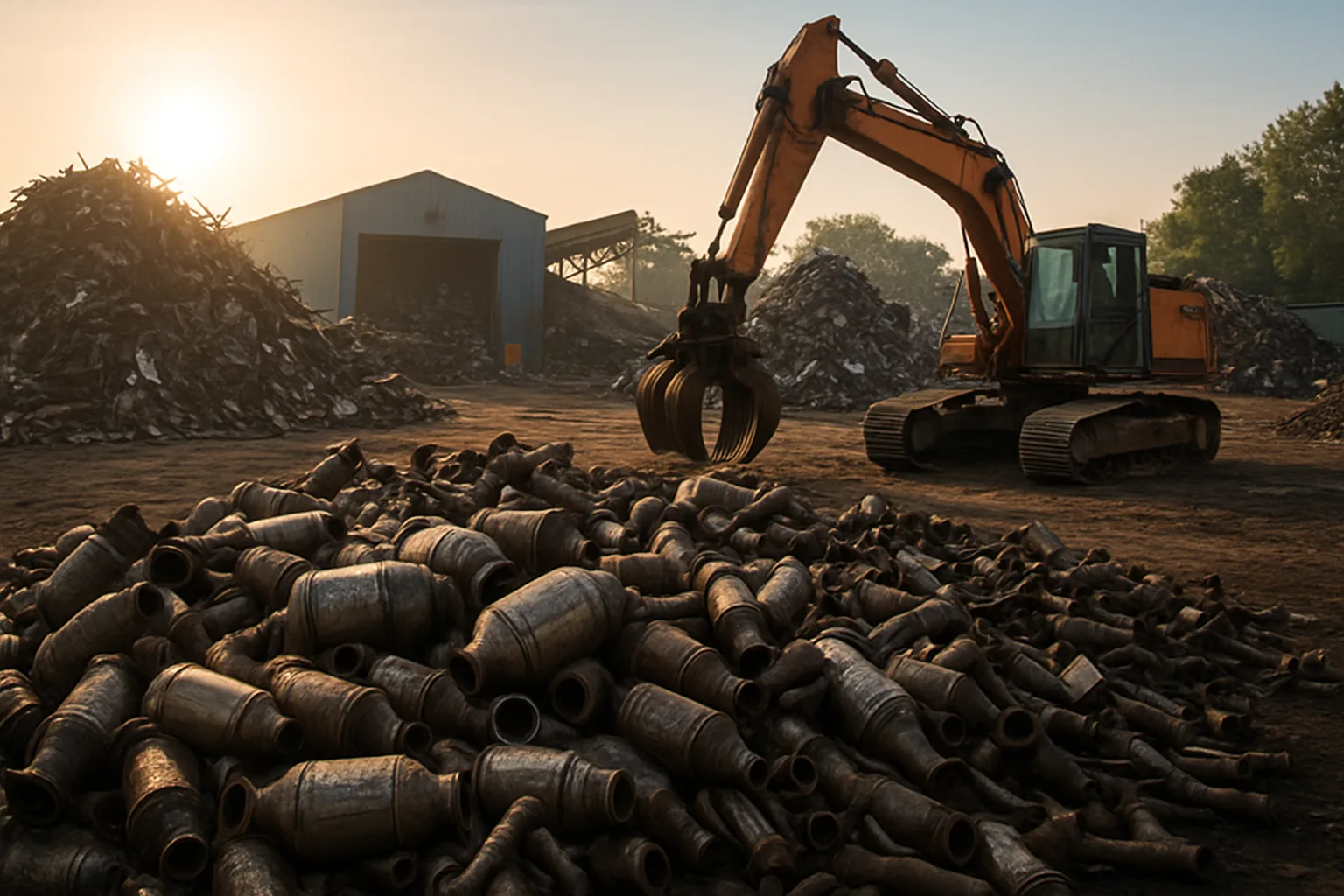
Catalytic converter theft in the United States jumped dramatically in the early 2020s — and while enforcement has improved, the ripple effects still hit legitimate sellers hard in 2026. If you're trying to find a reliable catalytic converter buyer Warren locals actually trust, you've probably noticed something: buyers are more cautious, documentation requirements are stricter, and the whole process takes longer than it used to. That's not a coincidence. Theft has fundamentally changed how the scrap cat market operates — and honest sellers are paying the price for someone else's crime.
This guide breaks down exactly what happened, why it still matters today, and how to position yourself as a legitimate seller so you can get a fair price for your scrap catalytic converters without unnecessary friction.
---The Theft Wave That Changed Everything for Legitimate Sellers
From 2020 through 2023, catalytic converter theft exploded across North America. Thieves targeted Priuses, Ford F-250s, Honda Elements, and fleet vehicles — anything with a converter that sat high enough off the ground to make a quick cut. Precious metal prices were running hot. Palladium, rhodium, and platinum — the metals that make converters valuable — were at historic highs, and organized theft rings moved fast to exploit that spread.
The fallout didn't just hurt vehicle owners. It hammered the recycling industry. Legitimate scrap yards and recyclers found themselves inadvertently buying stolen units. Law enforcement started scrutinizing the secondary market. Buyers faced potential criminal liability just for purchasing converters that looked clean but weren't. That created a defensive posture across the industry that persists today — even as metal prices have normalized and enforcement has tightened.
- Multiple U.S. states enacted laws requiring sellers to show proof of vehicle ownership or a bill of sale for converters
- Some states added mandatory holding periods before recyclers can process purchased converters
- Buyers began requiring photo documentation, VIN records, and seller ID before completing any transaction
- Insurance companies and fleet operators pushed for serialized tracking on converter inventories
The result: if you're a legitimate seller — an auto shop, a salvage yard, a fleet operator, or just someone who pulled a converter off a junk car they own — you're dealing with more paperwork than ever before.
---How Catalytic Converter Recycling in Warren Got More Complicated
Warren, Michigan is serious scrap country. Macomb County has deep roots in automotive manufacturing and aftermarket parts — which means there's a real, active market for catalytic converter recycling Warren sellers can access. But the theft wave hit Michigan hard. The state passed stricter scrap metal dealer regulations, and local law enforcement in Warren and surrounding municipalities increased pressure on buyers to document transactions thoroughly.
That shift changed the buyer-seller dynamic. A few years ago, you could walk into a yard with a load of cats and get paid on the spot with minimal questions. Today, expect to provide:
- A valid government-issued photo ID
- Proof of ownership (title, bill of sale, or shop work order) for the vehicle the converter came from
- Clear photographs of each unit showing the OEM or aftermarket markings
- In some cases, a signed declaration of lawful acquisition
None of this is unreasonable. But it does mean that sellers who walk in unprepared waste time — and sometimes lose out on the best price because they can't complete the transaction cleanly. Preparation is now a competitive advantage.
The good news: buyers who ask these questions are typically the buyers you want to work with. A catalytic converter buyer that doesn't care where the units came from is a liability, not an asset. When a buyer invests in compliance, they're protecting themselves and you.
---What Theft Did to Scrap Cat Values — and Where the Market Stands Now
Precious metal markets drive scrap cat prices more than almost any other factor. Rhodium, palladium, and platinum move constantly — and the theft crisis indirectly affected pricing by flooding the black market with stolen supply, which complicated legitimate price discovery.
In 2026, the market has stabilized compared to the volatility of a few years back. Precious metal prices have come down significantly from their peak. That means average scrap cat values are generally lower than the highs sellers saw in 2021-2022. But it also means the market is cleaner — there's less distortion from stolen units moving through unofficial channels, and legitimate buyers can price more confidently based on actual PGM (platinum group metal) content.
A few things that determine your converter's value right now:
- OEM vs. aftermarket: Factory-installed converters from domestic automakers typically carry higher PGM content than aftermarket replacements
- Vehicle make and model: Certain platforms — especially hybrid vehicles and trucks — carry converters with significantly higher precious metal loads
- Condition: Crushed, stripped, or tampered converters lose value fast. Intact units with readable serial numbers fetch more
- Volume: Larger loads give you leverage. A single cat is worth what it's worth. Twenty cats in documented condition opens the door to competitive bidding
Prices fluctuate daily based on metal spot prices. Always check current rates before committing to a sale — and don't lock in based on numbers you saw last week.
Disclaimer: Scrap catalytic converter prices change based on precious metal market conditions. All pricing information here is general in nature. Verify current rates before selling.
---Why Documentation Is Now Your Single Biggest Selling Tool
Here's the counterintuitive truth that theft created: the sellers who document everything — serial numbers, photos, vehicle history — now have a real advantage over sellers who don't. Buyers trust them more. Buyers move faster. And buyers are more willing to pay a competitive price when the provenance of a load is clean and verifiable.
Think about it from a buyer's perspective. If you're a legitimate recycler or processor, your biggest legal risk is unknowingly purchasing stolen units. A seller who shows up with photos of every converter, serial numbers tracked against VINs, and clear documentation of acquisition? That seller is worth paying more for. You're reducing their risk, and risk reduction has value.
Platforms like SMASH are built around exactly this principle. SMASH uses photo documentation, serial tracking, and a vetted buyer network to bring transparency to the secondary metals market. When you find the best scrap cat prices today, you're not just looking for the highest number — you're looking for a buyer who can actually close the deal, pay on time, and stand behind the transaction.
If you want to read scrap catalytic converter guides that walk you through documentation best practices, there's a growing library of resources available to help you sell smarter — not just faster.
---How to Sell Scrap Cats Legitimately in Warren Without Leaving Money on the Table
Selling scrap catalytic converters in Warren, Michigan today means working within a more structured system than sellers faced five years ago. But structure doesn't have to mean lower returns. Here's a practical approach for 2026:
- Document before you pull. If you're removing converters from vehicles you own or service, photograph the vehicle, the VIN, and the converter before it comes off. This takes three minutes and eliminates most compliance headaches downstream.
- Know your units. Identify whether you have OEM or aftermarket converters. Look for readable serial numbers or OEM casting marks. Buyers pay more for identifiable units because they can accurately assess PGM content.
- Don't take the first offer. One phone call to one buyer is the old way. Competition drives price discovery. A load of well-documented, identified converters should go to market — not to whoever happens to pick up the phone first.
- Use a platform built for this. SMASH connects sellers with vetted buyers across North America and runs a competitive auction format that creates real price tension. You see actual bids — not a take-it-or-leave-it number from a single buyer with no transparency.
- Understand Michigan's requirements. Stay current on Michigan scrap dealer regulations. Requirements around ID, holding periods, and documentation can change. Compliance protects you, not just the buyer.
The sellers getting the best scrap cat value right now aren't the ones cutting corners. They're the ones who show up prepared, understand what they have, and put their loads in front of more than one buyer. That's it. That's the whole game.
You can sell your scrap metal on the SMASH marketplace and see what competitive, transparent bidding actually looks like for your load.
---The Bigger Picture: A Cleaner Market Benefits Everyone Who Plays It Straight
Catalytic converter theft didn't just create a compliance burden. It revealed a structural weakness in how the scrap cat market operated — too informal, too relationship-dependent, too easy for bad actors to exploit. The response from regulators, law enforcement, and legitimate buyers has been to formalize the market. That formalization, uncomfortable as it was during the transition, is ultimately good for sellers who operate with integrity.
In Warren and across Michigan, the recycling industry is working to draw a clear line between legitimate sellers and theft-adjacent supply chains. Buyers who invest in compliance infrastructure — documentation, vetted networks, transparent pricing — are building businesses that can sustain long-term relationships. And those are the buyers worth finding.
If you're ready to find a cat converter buyer who treats your load with the seriousness it deserves — competitive pricing, transparent process, no guessing — start with the right tools. The market rewards preparation and penalizes shortcuts. Legitimate sellers in Warren have every reason to come out ahead.
Get a free quote and find the best scrap cat prices today at best-scrap-cat-prices.com — and see what your documented, clean load is actually worth in a competitive market.
---Frequently Asked Questions
Q: How do I find a trusted catalytic converter buyer in Warren, Michigan?
Look for buyers who ask for documentation — proof of ownership, photo records, and seller ID. In Warren and across Michigan, legitimate buyers are required to follow state scrap metal dealer regulations. A buyer who skips these steps is a red flag, not a shortcut. Platforms like SMASH vet buyers before they can participate, which removes a lot of the guesswork for sellers.
Q: Does catalytic converter theft affect the price I get for my legitimate scrap cats?
Indirectly, yes. Theft inflated supply in the black market and created pricing distortion. It also made buyers more cautious, which slowed transactions and added compliance costs. In 2026, the market has stabilized, but buyers still price in risk — which is why documented, clean loads consistently attract better offers than unverified units.
Q: What documentation do I need to sell scrap catalytic converters in Warren?
At minimum, expect to provide a government-issued photo ID and proof of lawful acquisition — typically a vehicle title, bill of sale, or shop work order. Many buyers also require photographs of each unit and readable serial numbers. Michigan law governs specific holding periods and record-keeping requirements for scrap dealers, so confirm current requirements with your local buyer.
Q: Are OEM catalytic converters worth more than aftermarket units at scrap?
Generally, yes. OEM converters from major automakers tend to have higher platinum group metal content than aftermarket replacements, which are often manufactured with lower PGM loads to reduce cost. The difference in scrap value can be significant depending on the vehicle platform. Identifying your units before selling helps buyers assess value accurately — and that accuracy typically works in your favor.
Q: How do scrap catalytic converter prices change day to day?
Converter prices track precious metal spot prices — specifically platinum, palladium, and rhodium. These metals trade on global commodity markets and can shift meaningfully within a single week. Always check current spot prices before committing to a sale, and consider using a competitive platform to see what the market will actually pay rather than accepting a single static quote.
---Follow SMASH on LinkedIn for scrap metal market updates, industry insights, and news that affects your bottom line.