Most scrap yards will quote you a flat rate on a catalytic converter without explaining why. That number isn't random — it's driven by three precious metals hiding inside every cat, and their prices move daily. If you're selling cats in Portland and you're not paying attention to platinum, palladium, and rhodium, you're negotiating blind.
Understanding what drives cat converter prices Portland sellers see is the difference between leaving money on the table and walking away with a fair deal. This breakdown covers exactly how those prices get calculated — and how to use that knowledge to your advantage.
What's Actually Inside a Catalytic Converter?
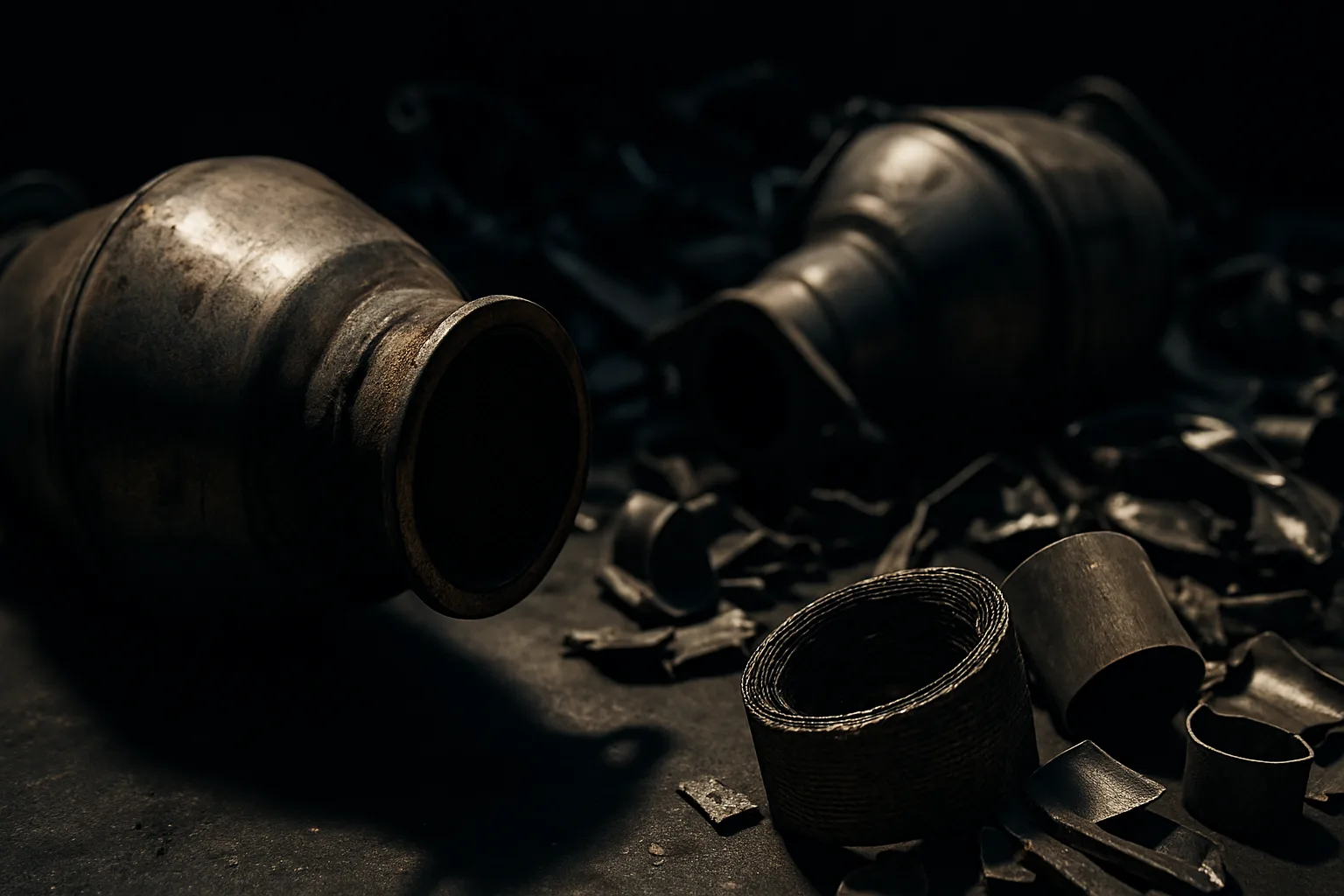
A catalytic converter isn't just a chunk of metal bolted to your exhaust. Inside the steel housing sits a ceramic or metalite substrate coated with a precise blend of platinum group metals (PGMs). These are the three metals that determine your catalytic converter scrap value:
- Platinum (Pt) — Used heavily in diesel cats. Helps convert hydrocarbons and carbon monoxide into less harmful gases.
- Palladium (Pd) — Dominant in gasoline-powered vehicles. More reactive at lower temperatures than platinum.
- Rhodium (Rh) — Present in tiny quantities but commands enormous value. Converts nitrogen oxides, making it irreplaceable.
The actual loading — how much of each metal is on that substrate — varies significantly by vehicle make, model, engine size, and emissions standard. A cat from a Toyota Prius contains a very different PGM profile than one pulled from a Ford F-250 diesel. That variation is exactly why catalytic converter price list by serial number lookups matter. The serial number (or part number stamped on the housing) tells a buyer which vehicle the cat came from, and by extension, what PGM loading to expect.
Don't underestimate this step. Two cats that look identical can have dramatically different scrap values based solely on their origin vehicle.
How Platinum, Palladium, and Rhodium Prices Move — and Why It Matters in Portland
PGM prices trade on global commodity markets, priced in troy ounces, and they move constantly. As of mid-2026, all three metals continue to reflect ongoing supply pressure from South Africa and Russia, which together produce the vast majority of the world's PGM supply. Any disruption — labor strikes, energy shortages, geopolitical tension — can ripple through scrap cat pricing within days.
Here's the key dynamic to understand:
- Rhodium has historically been the most volatile. It can swing hundreds of dollars per troy ounce in a short window. Because cats contain only fractions of a gram, even small market moves translate to meaningful price changes per unit.
- Palladium has been subject to sustained pressure from EV adoption trends, but internal combustion vehicles still dominate Oregon roads in 2026, keeping palladium-heavy cats in consistent demand.
- Platinum has seen renewed interest from the hydrogen economy and diesel sector. Diesel cats, common in older commercial vehicles around Portland's port and freight corridors, carry meaningful platinum content.
For Portland sellers, this means the quote you got last Tuesday may not reflect what your cats are worth today. Scrap metal prices today — specifically PGM spot prices — should be your reference point before you accept any offer. A buyer offering a flat rate regardless of market conditions may be pricing those metals at yesterday's value, not today's.
How Buyers Calculate Your Catalytic Converter Scrap Value
When a legitimate cat converter buyer prices your load, they're running through a specific formula — even if they don't show it to you. Here's how it works in practice:
- Identify the unit. Serial number lookup ties the part to a known vehicle application and a historical PGM assay database.
- Pull current PGM spot prices. Platinum, palladium, and rhodium prices from the London Platinum and Palladium Market (LPPM) or equivalent source.
- Apply recovery rate. Smelters don't recover 100% of the PGMs in a cat. The recovery rate — typically in the range of 95–98% for professional processors — gets factored in.
- Subtract processing fees. Sampling, assaying, smelting, and refining all carry costs. These get deducted before the seller sees a return.
- Account for condition. Cracked substrates, aftermarket units, or foiled cats recover fewer PGMs. That affects the offer.
The problem with most single-buyer transactions is opacity. You get a number, but you don't get the math. That's where platforms like SMASH change the dynamic. When multiple vetted buyers compete for your load, the math has to be competitive — or that buyer doesn't win. You can get a fair price for your scrap catalytic converters when the market is actually working for you, not against you.
Serial Numbers, Documentation, and Why Portland Sellers Should Pay Attention
Oregon has seen increased regulatory attention around catalytic converter theft and the secondary scrap market. In 2026, documentation requirements for cat sales are stricter than they were even two years ago. That's not just a compliance issue — it's a pricing issue.
A well-documented load of cats sells better. Here's why:
- Buyers can bid with confidence when they know what they're buying. Ambiguity leads to discounted offers to cover unknown risk.
- Serial number tracking allows accurate PGM assay estimates before the load is even processed. That precision benefits the seller.
- Photo documentation of each unit reduces disputes after processing. If a buyer claims a substrate was cracked, you have evidence of condition at time of sale.
Using a platform with built-in inventory tools, serial number lookup, and photo documentation isn't just about compliance — it's about getting the number your cats actually deserve. Portland Portland scrap metal services providers who document their inventory properly consistently get stronger offers than those who show up with a bag of uncatalogued cats.
If you want to go deeper on how to prepare and document your inventory before selling, read scrap catalytic converter guides that walk through the process step by step.
Why Single-Buyer Quotes Leave Money Behind
Here's the reality of the traditional scrap cat market: you call one buyer, they give you a number, you take it or walk. Most sellers take it — because walking means starting over, and most buyers know that.
That model made sense when information was hard to get and buyers were few. Neither of those things is true in 2026. PGM spot prices are publicly available. Serial number databases exist. And competitive auction platforms have changed what's possible for sellers who want real price discovery instead of a take-it-or-leave-it quote.
SMASH operates as North America's B2B scrap metal auction platform, connecting yards and sellers with vetted buyers who compete for loads — including catalytic converters. Competition can help reveal the market. More buyers means better price discovery. That's not marketing language; it's basic economics applied to a market that has historically favored the buyer.
For Portland-area sellers moving volume — whether you're a shop pulling cats regularly or a yard accumulating loads — the difference between one offer and several competing offers adds up fast. Documented inventory gives buyers more confidence, and confident buyers bid higher.
What Sellers in Portland Should Do Before Selling Their Cats
You don't need to become a PGM trader to sell cats intelligently. You need a short checklist:
- Check PGM spot prices before any conversation with a buyer. Rhodium, palladium, and platinum prices are publicly available and updated daily.
- Record serial numbers on every unit. Use a catalytic converter price list by serial number reference to get a ballpark on what each unit should be worth.
- Photograph your inventory. Document condition — especially substrate integrity — before the load leaves your hands.
- Know your volume. Larger loads generally attract stronger buyer interest and better negotiating leverage.
- Use competition. A single quote is a starting point, not a final answer. Get multiple offers whenever possible.
Oregon sellers who follow this process consistently come away with better outcomes than those who rely on a single relationship with a single buyer. The market rewards preparation.
If you're ready to stop guessing and start selling with real data behind you, find the best scrap cat prices today and see what a competitive offer actually looks like for your inventory.
Frequently Asked Questions
Q: What determines the scrap value of a catalytic converter in Portland?
The scrap value of a catalytic converter is determined by the type and quantity of platinum group metals (PGMs) it contains — specifically platinum, palladium, and rhodium. PGM spot prices change daily, and the specific loading in your cat depends on the vehicle it came from. That's why serial number identification is critical to getting an accurate offer in Portland or anywhere else.
Q: How do I find the best cat converter prices in Portland, Oregon?
Start by checking current PGM spot prices and identifying your cats by serial number. Then get multiple offers rather than accepting the first quote you receive. Platforms like SMASH connect you with vetted buyers who compete for your load, which tends to produce stronger price discovery than a single phone call to a single yard.
Q: Why do cat prices change so often?
Catalytic converter scrap prices change because platinum, palladium, and rhodium trade on global commodity markets that respond to supply constraints, geopolitical events, industrial demand, and currency fluctuations. A shift in rhodium or palladium pricing can move cat values meaningfully within a single week. Always check scrap metal prices today before selling.
Q: Can I look up catalytic converter prices by serial number?
Yes. Serial number or part number lookup tools exist that match a cat to its vehicle application and provide an estimated PGM profile. This gives both sellers and buyers a data-based reference point rather than relying on visual inspection alone. Documented loads with serial numbers consistently attract stronger buyer confidence and better offers.
Q: Are there documentation requirements for selling catalytic converters in Oregon?
Yes. Oregon, like many states, has tightened requirements around catalytic converter sales in recent years to combat theft. As of 2026, sellers are generally required to provide proof of ownership or business documentation. Requirements can vary by buyer and county, so confirm current rules with your buyer before completing a transaction. Proper documentation also helps protect your sale price — a fully documented load is an easier load to bid on.
The scrap cat market rewards sellers who show up prepared. If you're moving cats in Portland and want real competition behind your offer, best-scrap-cat-prices.com is the place to start. Get a free quote and see what your inventory is actually worth.
Disclaimer: Catalytic converter scrap prices fluctuate daily based on PGM spot market values. Always check current rates before selling. The information in this article reflects general market dynamics as of July 2026 and should not be treated as a guaranteed price quote.
Stay current on PGM pricing, scrap market trends, and industry news — follow SMASH on LinkedIn at linkedin.com/company/scrap-metal-auction-sales-hub for regular updates from North America's scrap metal market.
```