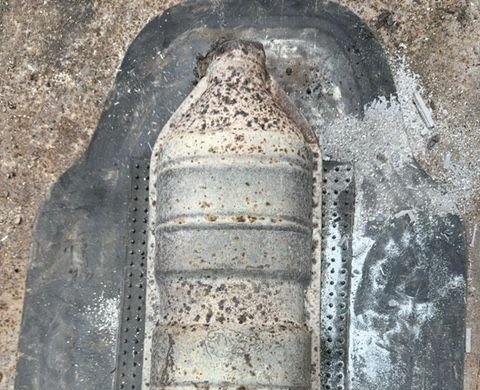
Why What Happens to Your Scrap Cat Matters More Than You Think
Every catalytic converter sitting in a salvage yard or trunk of a junked car contains something most people underestimate: a concentrated mix of platinum, palladium, and rhodium. These aren't just valuable — they're finite. Mining them from the earth is energy-intensive, ecologically destructive, and increasingly expensive. That's why understanding the platinum price today isn't just a financial exercise. It's directly tied to why proper catalytic converter recycling matters for the environment, for scrap yards, and for sellers who want to get paid what their cats are actually worth.
If you're in Syracuse, New York, or anywhere across the state, this conversation is relevant to you right now. The scrap cat market is active, precious metal demand is global, and the way your converters are handled after the sale has real consequences — ecological and economic.
The Hidden Environmental Cost of Catalytic Converter Mining
Before a single catalytic converter hits a scrap yard, the metals inside it had to come from somewhere. Platinum group metals (PGMs) — platinum, palladium, and rhodium — are mined primarily in South Africa, Russia, and Zimbabwe. The extraction process is brutal on the environment. It requires enormous amounts of water, generates toxic tailings, and produces significant carbon emissions per ounce recovered.
Here's why that matters to scrap sellers: every catalytic converter that gets properly recycled reduces the pressure on virgin mining. When PGMs are recovered from spent converters through legitimate smelting and assay processes, those metals re-enter the supply chain without a new mine needing to be opened. That's a measurable environmental benefit. It's also why the scrap cat value tied to precious metal recovery isn't just a market fluctuation — it reflects genuine global demand for materials that would otherwise require destructive extraction.
- Platinum is used in diesel converters and has significant industrial demand beyond automotive applications
- Palladium dominates gasoline converter formulas and has seen dramatic price swings over the past decade
- Rhodium is among the rarest metals in a converter and commands the highest per-gram prices when markets are strong
When these metals are recovered properly, refinery-grade yields return usable material to manufacturers. When converters end up in landfills, shredded improperly, or funneled through buyers who don't run them through legitimate processing, those PGMs are lost — often permanently. That's an environmental and economic failure at the same time.
What "Proper Recycling" Actually Means for a Scrap Cat
Not all catalytic converter buyers handle material the same way. Proper recycling means the converter is processed through a certified smelter that recovers PGMs at high efficiency, with the resulting metals re-entering legitimate supply chains. It means documentation: a clear chain of custody from seller to buyer to processor. And it means the seller gets paid based on actual metal content — not a lowball offer from a buyer who profits from the gap between what they pay and what the metal actually yields.
This is where transparency becomes an environmental issue, not just a business one. When sellers in New York accept whatever a single buyer offers without shopping around, they often don't know if that buyer is sending material to a reputable processor or cutting corners. Platforms that operate with documented inventory, photo records, and vetted buyer networks create accountability that benefits everyone — including the environment.
If you want to get a fair price for your scrap catalytic converters, working with buyers who can demonstrate legitimate processing pipelines is part of the equation. You shouldn't have to guess where your cats end up.
Proper handling also means:
- Converters are weighed and graded before bidding — not lumped together and averaged down
- Serial numbers and OEM part numbers are referenced against actual catalytic converter price list by number data, so the offer reflects the specific unit's PGM content
- The recovery process uses assay-backed pricing rather than arbitrary spot discounts
- Environmental compliance is maintained at the smelter level, reducing secondary pollution from processing
The Platinum Price Today and Why It Signals Real Recovery Value
Precious metal markets move constantly. The platinum price today influences what refiners will pay for converter-grade material, which flows back through the supply chain to affect what scrap yards and individual sellers receive. Understanding this connection helps sellers make smarter decisions about when to sell, who to sell to, and how to document what they're offering.
Platinum has historically traded at a discount to palladium in recent years, a reversal from earlier decades when it commanded a premium. But platinum's industrial utility — in hydrogen fuel cells, electronics, and catalytic applications beyond automotive — keeps demand structurally supported. When the platinum price today is strong, properly processed converter loads return more value per unit. When it softens, the spread between buyers who pay on actual assay versus those using flat-rate pricing becomes even more apparent.
For sellers in Syracuse and across New York, this means checking current market conditions before committing to a sale matters. A load of cats sold on a strong PGM day through a competitive process will outperform the same load sold via a single phone call on a flat-rate offer. That's not speculation — it's how commodity pricing works. Read scrap catalytic converter guides to stay current on how PGM trends affect your payouts.
Disclaimer: Precious metal prices fluctuate daily based on global market conditions. Always verify current rates before finalizing any sale.
Why Competitive Bidding Is Better for the Environment — Not Just Your Wallet
This might sound like a stretch, but hear it out. When sellers accept the first offer from the only buyer they know, they lose negotiating leverage — and they often lose visibility into where their material goes. Single-buyer relationships, especially informal ones built on habit rather than accountability, create conditions where converters can slip into grey-market processing pipelines.
Competitive auction environments flip this dynamic. When multiple vetted buyers are competing for the same load, they have an incentive to offer fair pricing — and they're operating within a documented framework that creates traceability. That traceability benefits environmental compliance. Buyers who know their offers are compared against competitors have less incentive to cut corners downstream.
SMASH operates exactly this way. As a scrap metal auction platform, SMASH connects sellers with vetted buyers who compete for loads through a transparent bidding process. No subscriptions. No guessing. The inventory tool supports photo documentation, serial tracking, and VIN lookup — the kind of documentation that makes assay-backed pricing possible and creates a real chain of custody for your material.
For yards and sellers who deal in volume, this isn't just about individual load pricing. It's about building a process that holds up — to buyers, to regulators, and to the growing scrutiny around PGM material handling. Get competitive bids for your scrap metal through a platform built for exactly this kind of accountability.
Finding the Right Catalytic Converter Buyer in Syracuse and New York
If you're based in Syracuse, you're in a region with active scrap infrastructure and real buyer interest in converter material. Central New York's industrial history means there's no shortage of yards handling ferrous and non-ferrous loads — but not every buyer in the area offers transparent pricing tied to actual PGM content.
Finding a legitimate catalytic converter buyer in Syracuse means asking the right questions. Does the buyer reference the converter by part number or OEM code? Do they use a current catalytic converter price list by number that reflects precious metal content, or are they offering flat rates that average everything down? Are they willing to document the transaction with photos and a clear invoice?
These questions protect you financially — and they push material toward responsible processing. The best catalytic converter buyers in New York can answer all of them without hesitation. Platforms like SMASH help surface those buyers through a vetted network, so you're not cold-calling yards and hoping for an honest answer.
If you're ready to stop guessing and start getting offers based on what your cats are actually worth, find the best scrap cat prices today and see what competitive bidding looks like for your specific material.
Frequently Asked Questions
Q: How does the platinum price today affect what I get for scrap catalytic converters?
Platinum is one of three key precious metals recovered from catalytic converters, alongside palladium and rhodium. When the platinum price today is higher, refiners pay more for converter-grade material, which flows back to sellers through better offers. Checking live PGM spot prices before you sell helps you understand whether current market conditions favor a quick sale or holding briefly.
Q: What should I look for in a catalytic converter buyer in Syracuse?
Look for buyers who price by part number using a current catalytic converter price list by number rather than flat-rate averaging. Legitimate buyers in Syracuse will document the transaction, reference serial numbers, and be transparent about how they process material. A vetted buyer operating through an auction platform adds an additional layer of accountability.
Q: Why does proper catalytic converter recycling matter environmentally?
Catalytic converters contain platinum group metals that would otherwise require destructive and carbon-intensive mining to produce. When converters are processed through certified smelters with high PGM recovery rates, those metals re-enter the supply chain without new extraction. Improper disposal or grey-market processing wastes those metals permanently and creates secondary environmental harm at the processing site.
Q: Is the catalytic converter scrap market active in New York right now?
Yes. New York has active scrap infrastructure and buyer interest in converter material across the state, including the Syracuse region. Global PGM demand — particularly for use in emissions technology, fuel cells, and electronics — keeps the scrap cat market structurally active. Market conditions fluctuate, so verifying current pricing before committing to a sale is always worth doing.
Q: How is SMASH different from calling a single local buyer?
SMASH is a scrap metal auction platform that puts your load in front of multiple vetted buyers who compete against each other. Instead of accepting whatever one buyer offers, you see real competitive bids. The platform supports photo documentation, serial tracking, and auto-invoicing — creating the kind of documented process that supports both fair pricing and environmental accountability. No subscription fees; SMASH earns when the seller earns.
When you're ready to move your cats through a process that's transparent, competitive, and built for sellers who want real market value — not guesswork — the best next step is simple. Find the best scrap cat prices and get a free quote at best-scrap-cat-prices.com. Your converters are worth what the market says they are. Make sure you're actually finding out.
Stay ahead of PGM market shifts and scrap metal industry news by following SMASH on LinkedIn — practical updates from inside the industry, not marketing fluff.