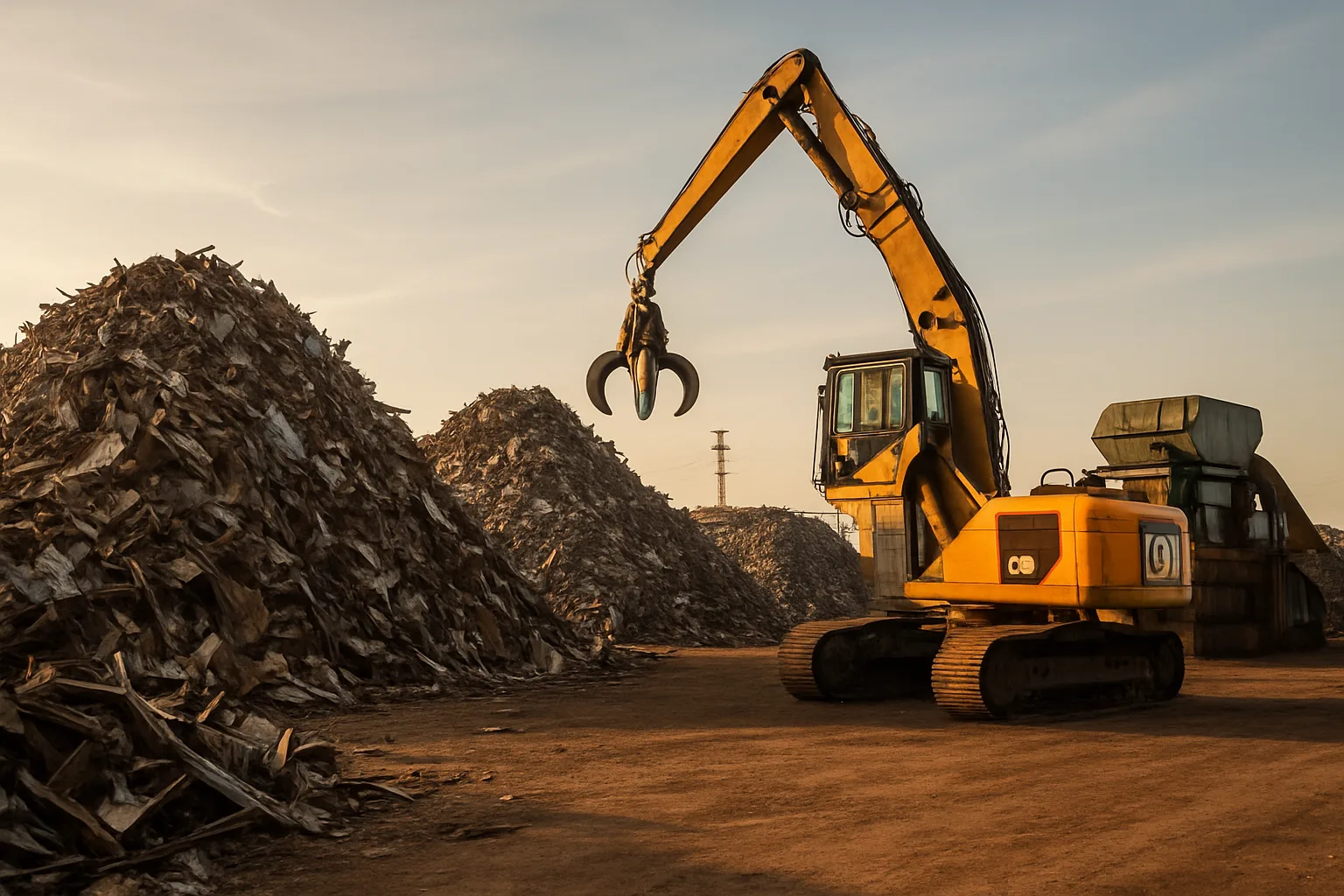
Why Proper Catalytic Converter Recycling Matters More Than You Think
Here's a number that should stop you cold: a single catalytic converter contains between 3 and 7 grams of platinum group metals — elements rarer than gold, pulled from the earth at enormous environmental cost. When a cat converter ends up in a landfill, that's not just a missed payday. It's a failure of the entire recycling chain. If you're sitting on a pile of spent cats and haven't moved them yet, understanding what's inside them — and what happens when they're handled wrong — changes how you think about this business.
This week, we're looking at the environmental side of catalytic converter recycling, why proper processing matters, and how sellers in Philadelphia and across Pennsylvania can make smarter decisions that benefit both their bottom line and the broader supply chain. Selling smart and recycling responsibly aren't competing goals. They're the same goal.
What Are the Platinum Group Metals — and Why Do They Matter Environmentally?
Most sellers know their cats contain value. Fewer understand exactly why. The precious metals inside — platinum, palladium, and rhodium — are collectively known as platinum group metals, or PGMs. These three elements are the reason a converter can neutralize carbon monoxide, hydrocarbons, and nitrogen oxides from exhaust gas before it hits the atmosphere.
Understanding what are the platinum group metals isn't just trivia. It connects directly to environmental stakes. PGMs are mined primarily in South Africa and Russia, in operations that are energy-intensive, water-heavy, and ecologically disruptive. Mining enough platinum to produce a single new catalytic converter requires processing roughly 10 tons of raw ore. Recycling that same platinum from a spent cat? It takes a fraction of the energy and produces none of the open-pit damage. Every converter that gets properly recycled reduces pressure on primary mining operations.
- Platinum — used in diesel converters; drives oxidation reactions that cut particulate emissions
- Palladium — dominant in gasoline converters; prices have swung dramatically in recent years based on supply chain shifts
- Rhodium — the rarest of the three; handles nitrogen oxide reduction and commands the highest per-gram value
These metals don't degrade inside the converter. They remain fully recoverable at end of life, which is exactly why the recycling loop matters — and why abandoning a cat in a dumpster is both an economic waste and an environmental one.
The Environmental Cost of Improper Catalytic Converter Disposal
When cats are improperly disposed of — whether crushed into mixed scrap, landfilled, or stripped carelessly — the consequences are real. The ceramic honeycomb substrate inside a converter contains silica and alumina compounds that don't belong in a general waste stream. More critically, the PGMs themselves are lost permanently from the recycling loop, forcing refiners and automakers to draw on new mining supply to meet demand.
There's also the matter of theft. Catalytic converter theft remains a serious issue in major metropolitan areas. In Philadelphia, law enforcement has tracked organized theft rings targeting high-PGM vehicles — hybrids, trucks, and older SUVs. Stolen cats don't enter the legitimate recycling chain. They move through unlicensed buyers, get processed without documentation, and often end up in overseas smelters with zero traceability. That breaks the environmental accountability that responsible recyclers and legitimate cat converter buyers are supposed to maintain.
Pennsylvania has strengthened regulations around catalytic converter transactions in recent years precisely because of these concerns. Legitimate sellers and buyers now operate with documentation requirements, serial tracking, and photo verification — not just to protect against fraud, but to ensure recovered PGMs stay in a verifiable, accountable supply chain.
How Scrap Metal Inventory Management Connects to Environmental Responsibility
Here's where operations get serious. If you're running a recycling yard or processing a consistent volume of cats, scrap metal inventory management isn't just a business efficiency tool — it's part of your environmental due diligence. Knowing what you have, where it came from, and where it's going creates the documentation trail that keeps your operation clean, legally defensible, and attractive to legitimate buyers.
Platforms like smashscrap.com — the SMASH auction platform — are built with this in mind. Inventory tools that capture VIN lookups, serial numbers, and photo documentation don't just protect sellers legally. They create a chain of custody that supports responsible recycling from the yard floor all the way through to the refinery. When a reputable cat converter buyer bids on your load, they're not just paying for metal content — they're paying for confidence that the material was acquired and documented properly.
Sloppy inventory practices hurt you in two ways. First, you can't defend where your material came from if regulators come knocking. Second, buyers price in uncertainty — if your load lacks documentation, expect lower bids. The old way of eyeballing a pile of cats and calling one buyer with a verbal offer protects no one. Good inventory management protects your margins and your reputation.
- Document every unit with photos before it leaves your yard
- Use VIN or serial number tracking where the vehicle source is known
- Record weight, unit count, and converter type per load
- Keep packing lists and BOLs with every outbound shipment
- Work only with vetted buyers who can provide their own processing documentation
If you want to get a fair price for your scrap catalytic converters, documentation is the starting point. It's not a burden — it's a differentiator.
Platinum Price Today and How PGM Markets Shape Recycling Incentives
The platinum price today — along with palladium and rhodium — directly determines what your cats are worth to a buyer. In mid-2026, PGM markets continue to reflect the complex interplay of EV adoption trends, post-pandemic supply normalization, and ongoing geopolitical pressure on South African mining output. Prices fluctuate, sometimes significantly, week to week.
This volatility matters for environmental recycling for one key reason: when PGM prices are high, the economics of proper recycling are obviously favorable. But when prices dip, some marginal operators cut corners — mixing cat material into unsorted loads, bypassing assay steps, or selling to processors who don't maintain proper environmental controls. The recycling chain only works well when sellers are connected to buyers who pay real market rates based on actual metal content, not arbitrary flat offers that leave PGMs undervalued and under-incentivized.
That's why competitive price discovery matters environmentally, not just economically. When you find the best scrap cat prices today through a platform that puts multiple vetted buyers against each other, you're not just padding your margin. You're ensuring that the recovered PGMs in your load get routed to processors who are serious about material quality and accountability — because those are the buyers willing to pay for it.
Disclaimer: PGM prices fluctuate daily based on commodity markets. Always check current rates before committing to a sale. The prices referenced here reflect general market conditions as of June 2026 and are subject to change.
Selling Catalytic Converters Online: The Philadelphia Seller's Advantage
Philadelphia is a major scrap market. The density of auto recyclers, dismantlers, and independent collectors in southeastern Pennsylvania creates real volume — and real competition. But volume without the right sales channel just means a bigger pile of cats sitting in your yard, losing value as PGM prices shift.
The shift to sell catalytic converters online has changed the game for Pennsylvania yards. Instead of calling the same regional buyer who's been low-balling you for years, you can reach vetted national buyers who compete on price. SMASH puts that competition to work for sellers — no subscription, no guesswork, no single-buyer lock-in. The platform handles auto-invoicing, documentation, and buyer vetting so you're not doing the administrative heavy lifting on top of the physical work.
For sellers specifically using Philadelphia scrap metal services, the online auction model levels a playing field that historically favored local buyers with geographic monopolies. If you're in Philadelphia and you've been settling for whatever price one buyer offers, you haven't been selling — you've been settling.
Proper recycling starts with proper selling. When you work with a legitimate platform and vetted buyers, you ensure your material enters the right processing stream. That's good business and good environmental practice — and the two shouldn't be separated. To read scrap catalytic converter guides and stay sharp on market conditions, bookmark resources that keep you current.
Frequently Asked Questions
Q: Why is it important to recycle catalytic converters properly instead of just scrapping them with other metals?
Catalytic converters contain platinum group metals — platinum, palladium, and rhodium — that require specialized processing to recover efficiently. Mixing cats into general scrap loads wastes recoverable PGMs and reduces the value you receive. Proper recycling routes these materials to processors who can assay and recover the metals at full value, which also supports the broader environmental goal of reducing demand for new PGM mining.
Q: How do I sell catalytic converters online safely and get a competitive price?
Use a platform that vets buyers and uses an auction format rather than a single fixed offer. Document your inventory with photos, weights, and serial or VIN data where available. Platforms like SMASH connect sellers with multiple buyers who compete on price, which creates better price discovery than a single phone call to a local buyer. Always verify that buyers can provide documentation of their processing chain.
Q: What affects the scrap cat value of my catalytic converters right now?
PGM spot prices — particularly platinum, palladium, and rhodium — drive cat converter value more than any other factor. The specific make, model, and year of the vehicle the converter came from also matters significantly, since different units contain different ratios of each metal. Condition, documentation quality, and load size can also affect what buyers are willing to pay. Check current PGM rates regularly, as prices shift week to week.
Q: Are there specific regulations in Pennsylvania around buying and selling catalytic converters?
Yes. Pennsylvania, like many states, has tightened regulations on catalytic converter transactions in response to organized theft. Requirements vary but generally include seller identification, documentation of vehicle source, and in some cases photo or serial number records. Working with a vetted platform that maintains documentation standards keeps you compliant and protects your operation from liability.
Q: Does proper catalytic converter recycling really make an environmental difference, or is that just marketing?
It's real and measurable. Mining platinum group metals from raw ore is one of the most resource-intensive extraction processes in the metals industry. Recovering those same metals from spent converters requires dramatically less energy and eliminates the land and water disruption of primary mining. Every ton of PGMs recovered from recycled cats is a ton that doesn't need to come from a new mine. That's not marketing — it's material science and basic supply chain math.
If you're moving cats out of Philadelphia or anywhere across Pennsylvania, don't leave money on the table and don't let good material go into the wrong channel. Find the best scrap cat prices and get a free quote at best-scrap-cat-prices.com — because doing this right pays better than doing it fast.
Stay current on scrap metal markets and industry news by following SMASH on LinkedIn — practical insights for yards and buyers, no fluff.
```