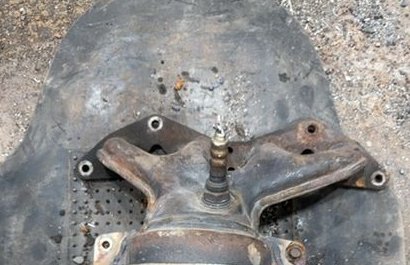
Most scrap sellers know a catalytic converter has value. Few know why. That gap costs money — sometimes a lot of it. If you're sitting on a pile of cats and guessing at catalytic converter prices today, you're leaving real dollars on the table.
The value isn't in the steel shell. It's in what's packed inside: a cocktail of precious metals that your buyer knows about and, if you're not careful, you don't. Understanding what's actually in your cats changes how you negotiate, what documentation you pull, and who you sell to.
Let's break it down.
What's Actually Inside a Catalytic Converter
Crack open a catalytic converter and you'll find a ceramic or metallic substrate — a honeycomb structure coated with a washcoat. That washcoat contains the precious metals. Three of them, specifically: platinum (Pt), palladium (Pd), and rhodium (Rh). Together, they're called platinum group metals, or PGMs.
The substrate is engineered to maximize surface area so exhaust gases contact as much of the catalyst as possible. This is where the chemistry happens — where harmful emissions like carbon monoxide and nitrogen oxides get converted into less harmful compounds. The PGMs make that reaction possible. They don't get consumed in the process, but they do degrade over time from heat and contamination.
Here's what each metal does:
- Platinum: Handles oxidation reactions — converts CO to CO₂ and unburned hydrocarbons to water and CO₂.
- Palladium: Works alongside platinum, particularly effective at lower temperatures. Palladium loading has increased significantly in modern cats.
- Rhodium: Tackles nitrogen oxides (NOx). Rhodium is rare, expensive, and present in smaller quantities — but it punches above its weight in scrap value.
The exact loading of each metal varies by manufacturer, vehicle model, engine size, and emissions regulations in the vehicle's home market. A domestic truck cat and a small import cat are not the same animal, even if they look similar on the outside.
Why PGM Prices Drive Scrap Cat Value
Your scrap cat value is directly tied to the spot prices of platinum, palladium, and rhodium on the global commodities market. These metals trade like gold. Their prices shift daily based on mining output, industrial demand, automotive production rates, and macroeconomic factors.
Rhodium is the wildcard. It's mined almost exclusively as a byproduct of platinum and palladium mining in South Africa and Russia. Supply is thin. When demand spikes — typically when auto manufacturers ramp up production — rhodium prices can move dramatically. A single gram of rhodium can be worth multiples of the same gram of gold. That's not a typo.
This is exactly why catalytic converter prices today are not the same as last month's prices. If you called a buyer six weeks ago and got a number, that number is stale. The metals have moved. Get a fresh quote. Use platforms like find the best price for your scrap on SMASH to put your inventory in front of multiple buyers at once and let the market tell you what your cats are actually worth right now.
For sellers in Los Angeles — one of the largest auto recycling markets in the country — this matters. High vehicle volume means more cats, more competition among buyers, and better price discovery if you know how to work it.
How Buyers Assess Catalytic Converter Value: Serial Numbers, VINs, and Foils
A professional cat converter buyer doesn't eyeball your load and guess. They use data. The serial number or part number on the converter shell maps to a database entry that identifies the vehicle it came from, the manufacturer's PGM loading specification, and the expected yield after processing.
This is why serial tracking matters. When you document your inventory — serial numbers, photos, OEM part references — you give buyers the information they need to bid with confidence. Buyers who can verify what they're buying will pay more for it. Buyers staring at an undocumented pile of cats hedge their bids downward to account for the unknown.
VIN lookup adds another layer. Cross-reference the VIN from the donor vehicle with the converter part number and you eliminate ambiguity entirely. SMASH's inventory tool supports serial tracking and photo documentation — so when your load hits the auction, buyers see a clean, verified listing, not a mystery box.
Aftermarket converters — especially low-grade replacements installed post-collision — contain far less PGM content than OEM units. A buyer who can't tell the difference from a photo will discount the whole load. A buyer who sees your documentation bids on actual content. That gap is profit, and it's yours to keep or give away depending on how well you document.
Best Catalytic Converter Price in Los Angeles: What Local Sellers Should Know
California has some of the strictest emissions regulations in the country, which means California-registered vehicles often carry higher-spec catalytic converters than those sold in less regulated states. Higher emissions requirements historically translate to higher PGM loading to meet stricter thresholds. If you're pulling cats from California-registered vehicles, that context can be relevant when you're talking to buyers.
For sellers hunting the best catalytic converter price Los Angeles has to offer, the single biggest mistake is calling one buyer and taking their number. One buyer has zero incentive to offer you a strong price. Competition does. An auction format — where multiple vetted buyers bid against each other — surfaces the real market rate instead of whatever one buyer decided to tell you that morning.
If you're new to selling cats in the LA market or want to make sure you're not getting undercut, check out Los Angeles scrap metal services for local resources and guidance. And if you want to find the best scrap cat prices today, start by knowing what you have — because buyers already do.
Catalytic Converter Auction vs. Single Buyer: Understanding the Difference
The traditional approach: call your buyer, get a number, load the truck, done. It's simple. It's also one-sided. You have no idea if that number reflects the market or reflects what your buyer wants to pay. There's a difference, and it's not in your favor.
A catalytic converter auction changes the dynamic entirely. Your documented load goes in front of multiple vetted buyers simultaneously. They compete. The price that emerges reflects actual market demand, not a single buyer's margin target. More buyers means better price discovery — that's not a slogan, it's how commodity markets work.
SMASH runs exactly this model. No subscription fees. No lock-in. You post your load, buyers bid, you review offers and decide. SMASH only wins when you win — the platform takes a percentage of the sale, so there's no incentive to lowball you on the backend. For sellers managing regular cat inventory in Los Angeles or anywhere across California, this approach replaces guesswork with competition.
Want to dig deeper into how the process works? Read scrap catalytic converter guides that walk through documentation, auction prep, and how to get the most out of your load.
How Much Is My Catalytic Converter Worth? Variables That Move the Number
There's no universal answer to "how much is my catalytic converter worth scrap" — but there are clear variables you can control and ones you can't.
Variables you can't control:
- Spot prices for platinum, palladium, and rhodium
- Refinery processing fees (which vary by processor)
- Global supply and demand for PGMs
- Buyer margins and overhead
Variables you can control:
- Documentation quality — serial numbers, photos, part IDs
- Load composition — separating high-value OEM cats from low-grade aftermarket units
- Who you sell to — one buyer vs. a competitive auction
- Timing — selling into a strong market vs. a weak one
- Whether buyers can verify your inventory before they bid
The ones you can control are significant. A well-documented, well-sorted load going into a competitive auction format consistently outperforms a mystery pile dropped at a single yard. That's not theory — it's how markets work when information is available and buyers compete.
If you want to get a fair price for your scrap catalytic converters, start with documentation. Know your serials. Know your OEM vs. aftermarket breakdown. Then put that documented inventory in front of real competition.
Disclaimer: Precious metal spot prices fluctuate daily. All scrap catalytic converter values are subject to market conditions at the time of sale. Always check current rates before finalizing any transaction.
Frequently Asked Questions
Q: What precious metals are in a catalytic converter and how do they affect scrap value?
Catalytic converters contain platinum, palladium, and rhodium — collectively called platinum group metals (PGMs). The scrap value of your cat is directly tied to the quantity and current spot price of these metals. Rhodium, though present in small amounts, is often the highest-value component due to its scarcity.
Q: How do I find the best catalytic converter scrap price near me in Los Angeles?
Start by documenting your inventory — serial numbers, photos, OEM vs. aftermarket identification. Then use a competitive platform rather than calling a single buyer. In the Los Angeles market, there are multiple active buyers, which means competition can work in your favor if you access it properly.
Q: What are catalytic converter prices today based on?
Catalytic converter prices today reflect real-time spot prices for platinum, palladium, and rhodium, plus the estimated PGM content of your specific converter type. Prices change daily with commodity markets. A number from last week may not reflect today's market — always get a fresh quote before selling.
Q: Does the serial number on my catalytic converter really matter for pricing?
Yes — significantly. The serial number maps to a database that tells buyers the PGM loading specification for that exact converter type. Without it, buyers estimate conservatively and bid lower to protect themselves. With clean serial documentation, buyers bid on verified content, which typically results in stronger offers.
Q: How does a catalytic converter auction work and is it better than selling to one buyer?
In a catalytic converter auction, your documented load is listed and multiple vetted buyers place competing bids. You review the offers and choose. This format replaces the single-buyer dynamic — where you have no leverage — with real market competition. Platforms like SMASH run this model with no subscription fees, taking a cut only when a sale closes.
---If you've been selling cats on a handshake and a phone call, you already know there's a better way. Document your load. Know your serials. Understand what's inside and why it has value. Then put that inventory in front of buyers who compete for it. That's how you move from guessing to knowing. Head to best-scrap-cat-prices.com to get a free quote and see what your cats are actually worth in today's market.
Stay current on scrap metal market trends and PGM pricing insights — follow SMASH on LinkedIn for regular industry updates.
```