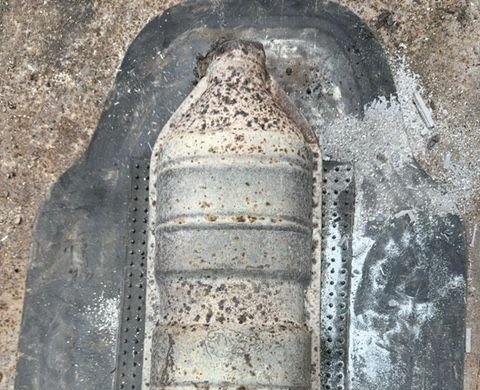
Most scrap yards treat catalytic converters like a mystery box — they glance at it, guess a number, and you take it or leave it. But here's what they're not telling you: the internal structure of your cat converter determines its value more than almost any other factor. Foil-style and bead-style converters are two of the most misunderstood types in the scrap market, and sellers who don't know the difference routinely leave money on the table.
If you're a catalytic converter buyer Baltimore is lucky to have, or if you're a seller trying to get a fair shake, understanding what's inside the can matters. This guide breaks down foil and bead converters — what they are, why they're valued differently, and how to get the best price for them in the Baltimore market.
Foil vs. Bead Style Catalytic Converters: What's Actually Inside
Crack open a catalytic converter and you'll find one of two substrates doing the real work: a honeycomb-style foil substrate or loose ceramic beads. Both trap and process harmful exhaust gases using platinum group metals (PGMs) — platinum, palladium, and rhodium. The substrate type determines how those PGMs are distributed, and that directly affects recovery yield and scrap value.
Foil catalytic converters use a metallic, accordion-folded substrate — think very thin corrugated steel coated with a PGM wash. They're common in high-performance and diesel applications. Because of their metallic construction, they process well in smelting and often yield good PGM recovery rates when assayed correctly.
Bead-style catalytic converters use small ceramic or alumina beads coated with the PGM catalyst. These were common in older domestic vehicles from the 1970s through the early 1990s. The beads are looser inside the housing, which means processors need to handle them differently — the material can shift, spill, or clump during processing, making accurate sampling slightly more complex.
Key differences at a glance:
- Foil: Metallic substrate, high surface area, common in diesel trucks and European vehicles
- Bead: Loose ceramic beads, older domestic vehicles, requires careful handling to avoid material loss
- PGM content: Varies significantly by make, model, and manufacturer — foil types often carry higher loadings
- Processing method: Both require smelting and assay, but bead material demands extra care at intake
What Determines Scrap Cat Value — Foil and Bead Included
The scrap value of any catalytic converter comes down to one thing: the recoverable platinum, palladium, and rhodium inside it. PGM spot prices fluctuate daily based on global supply chains, automotive production trends, and industrial demand. That volatility is exactly why a single buyer quoting you a flat number without referencing assay data should raise a red flag.
For foil-style cats, value drivers include:
- The type of vehicle it came from (OEM manufacturer matters — some run significantly higher PGM loadings)
- Whether the foil is intact or damaged (crushed or burned foil reduces surface area and recovery)
- The overall weight and density of the substrate
- Current spot prices for platinum, palladium, and rhodium
For bead-style cats, value is affected by:
- Bead condition — are they loose, fused, or degraded?
- Whether the housing is intact (spillage means lost material, lost value)
- The age and origin of the vehicle — older domestic beads often carry lower PGM concentrations than newer foil types
- Processor capacity to handle bead material properly
Neither type is automatically worth more than the other. It comes down to specific PGM content, condition, and — critically — who's buying it. That's where competition changes everything. Platforms like SMASH connect sellers to multiple vetted buyers simultaneously, so price discovery is driven by actual market demand, not a single buyer's margin target. More buyers means better price discovery. Full stop.
Why Baltimore Sellers Need to Shop Their Cats — Not Just Call One Yard
Baltimore has a solid scrap infrastructure. Maryland's port access and industrial base mean there's real demand for non-ferrous material, including catalytic converters. But having options nearby doesn't mean every buyer is offering the same price — or that the first quote you get is the best one.
Foil and bead converters are especially prone to wide pricing gaps between buyers. Because they're less common than standard honeycomb ceramic cats, some local yards don't have the processing relationships to value them accurately. They'll either low-ball you out of uncertainty or pass on the material entirely.
If you're searching for a catalytic converter buyer near me open now, the instinct makes sense — you want to move material today. But fast doesn't have to mean cheap. The smarter move is to document your inventory first, know what type of converter you have (foil, bead, or ceramic honeycomb), and get multiple quotes before you commit. You can access Baltimore scrap metal services that connect you directly with buyers who specialize in converter material — which means accurate pricing, not guesswork.
For larger loads or yards moving volume, the difference between one buyer and three competitive bids on a pallet of foil cats can be significant. That's not hype — that's basic price discovery.
How to Prepare Your Foil and Bead Cats Before You Sell
Preparation isn't complicated, but it matters. Buyers price what they can verify. Sloppy documentation or damaged material gives them every reason to shade the offer lower.
Here's a practical checklist before you find the best scrap cat prices today:
- Photograph everything. Top, bottom, and serial number or part number if visible. Foil cats often have identifiers stamped on the housing.
- Don't damage the substrate. Crushed or cracked foil loses surface area. Cracked bead housings spill material. Handle gently.
- Sort by type. Keep foil cats separate from bead-style and standard ceramic. Mixing types makes it harder to price lots accurately.
- Record the vehicle source where possible. Make, model, and year help buyers cross-reference PGM data even before assay.
- Weigh your material. Know your total weight going in. Buyers will weigh it anyway — knowing your numbers prevents surprises.
- Don't gut or de-can before confirming with your buyer. Some processors want the full housing. Others want de-canned substrate. Ask before you cut.
Proper documentation gives buyers confidence. And confident buyers bid higher. That's not a theory — it's how the market works. Platforms like SMASH let you upload photo documentation and serial tracking data so vetted buyers across North America can assess your material accurately before bidding.
Getting the Best Scrap Cat Price in Baltimore: The SMASH Advantage
Here's the problem with the traditional scrap cat sale: you call one buyer, they quote a number based on their margin needs, and you either take it or waste time calling around individually. There's no transparency. No competition. No way to know if you're getting a fair price or getting taken.
SMASH changes that structure. Instead of one buyer setting the price, multiple vetted buyers compete for your material in an auction format. That competition — not a phone call — reveals what the market actually thinks your cats are worth. It works for a single bead-style cat or a full pallet of foil converters from a diesel fleet teardown.
There are no subscription fees. SMASH only wins when the seller wins. That alignment matters. You can get a fair price for your scrap catalytic converters without guessing, without haggling blind, and without relying on a single buyer's integrity.
Whether you're moving five units or five hundred, the process is the same: document your inventory, submit your load, let vetted buyers compete. Auto-invoicing and documentation tools handle the paperwork. You focus on the deal.
For Baltimore sellers, the local market is accessible — but the best price for your foil or bead cats might come from a buyer three states away who specializes in exactly that material. That's what a competitive auction format unlocks. You can also read scrap catalytic converter guides to go deeper on PGM pricing, converter types, and how to prep your material for sale.
If you're serious about getting the most from your scrap catalytic converters — foil, bead, or otherwise — stop settling for the first number you hear. Sell your scrap metal on the SMASH marketplace and let competition do what competition does.
Disclaimer: Scrap catalytic converter prices fluctuate based on PGM spot prices and market conditions. Always check current rates before selling. Prices referenced in this article are general in nature and not a guarantee of any specific offer.
Frequently Asked Questions
Q: What is a foil-style catalytic converter and is it worth more than a regular cat?
A foil-style catalytic converter uses a metallic corrugated substrate instead of a ceramic honeycomb. It's common in diesel and high-performance applications. Whether it's worth more depends on the PGM loading and condition — some foil cats carry high precious metal content, but value varies by manufacturer and vehicle type. Get a quote based on the specific unit, not generalizations.
Q: How do I find a catalytic converter buyer in Baltimore who handles bead-style converters?
Not every scrap yard has the processing relationships to price bead-style cats accurately. Your best approach is to document your material with photos and part numbers, then reach out to buyers who specialize in converter recycling rather than general scrap. Using a platform that connects you to multiple vetted buyers gives you better odds of finding someone who knows how to value your specific material.
Q: Does the condition of the bead substrate affect my scrap cat price?
Yes, significantly. Loose, spilled, or degraded beads mean material loss during processing, which reduces recoverable PGMs. Buyers price that risk into their offers. Keep the housing intact and handle bead cats carefully to protect your value. Photograph the unit before transport so there's a condition record if questions come up at intake.
Q: Is catalytic converter recycling legal in Baltimore, Maryland?
Yes — catalytic converter recycling is legal in Maryland, but regulations around documentation, seller identification, and transaction records have tightened across most U.S. states in recent years to combat theft. Legitimate yards require proof of ownership or seller ID. Work with licensed buyers and keep your own records. If you're selling through a platform like SMASH, buyer vetting and documentation are built into the process.
Q: How long does it take to get paid after selling scrap catalytic converters?
Payment timelines vary by buyer and method. Some local yards pay cash on the spot; others settle after assay results come back, which can take days to weeks depending on the smelter relationship. When selling through competitive auction platforms, auto-invoicing speeds up the paperwork side significantly. Confirm payment terms before you commit to any deal.
Ready to stop guessing what your cats are worth? Find the best scrap cat prices — get a free quote at best-scrap-cat-prices.com. The market price for your foil or bead converters is out there. You just need the right buyers competing for it.
Stay current on scrap metal market trends and PGM pricing shifts — follow SMASH on LinkedIn for regular industry updates and scrap metal market insights.
```