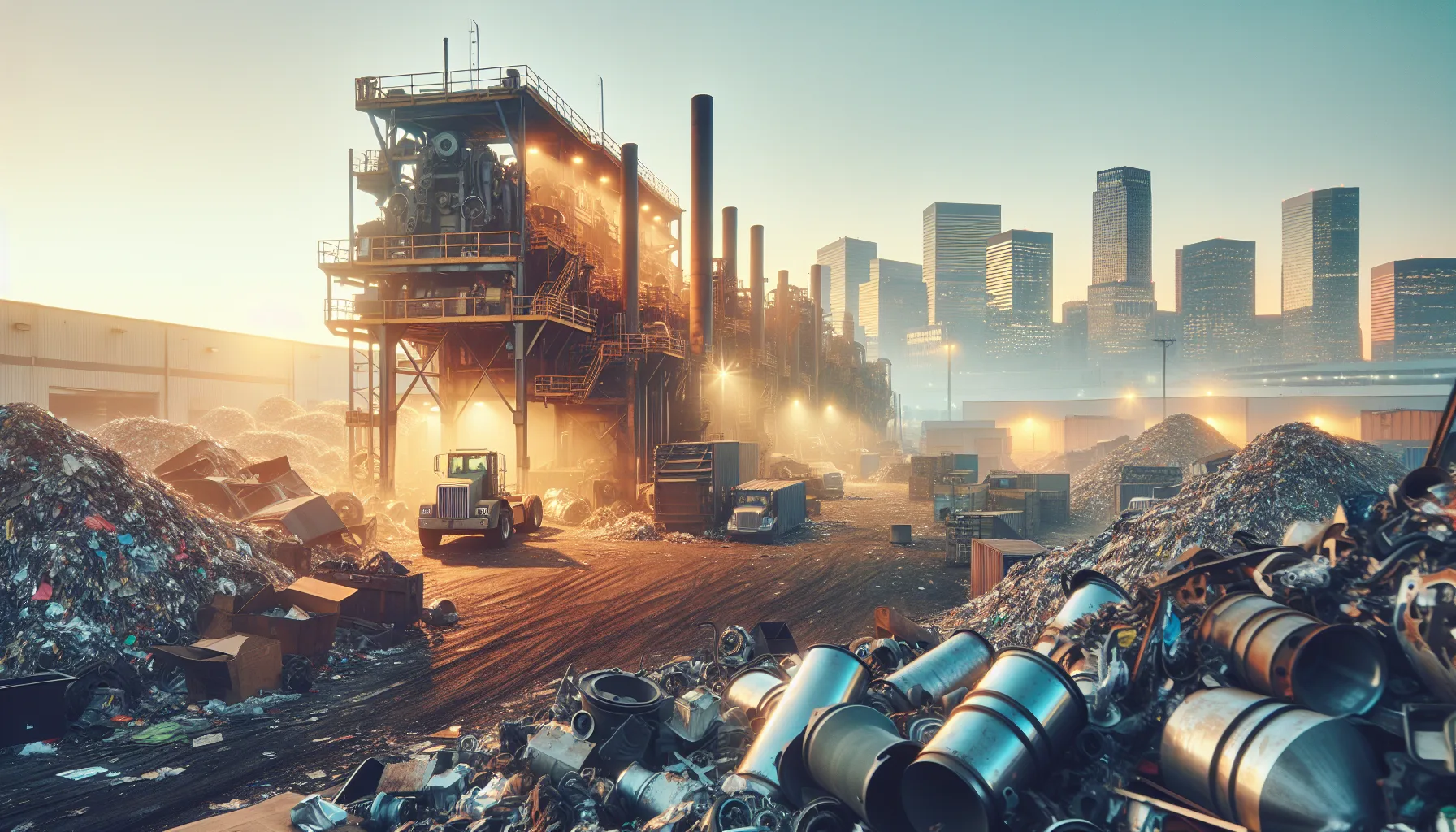
Environmental Impact Drives Strong Denver Catalytic Converter Recycling Market
Denver's commitment to environmental sustainability has created a thriving marketplace for those looking to sell catalytic converters online. Colorado's Front Range region generates thousands of end-of-life vehicles annually, and each catalytic converter contains precious metals that require proper recycling to prevent environmental damage. When you choose responsible recycling channels, you're not just earning money from your scrap cat value — you're actively protecting Colorado's mountain ecosystems and urban air quality.
The environmental importance of catalytic converter recycling extends far beyond basic metal recovery. These automotive components contain platinum, palladium, and rhodium — metals that would otherwise require destructive mining operations. Professional cat converter buyer services understand this environmental connection and price converters accordingly based on current precious metal markets.
March 2026 market data shows that platinum price today continues driving strong demand for recycled catalytic converters. Denver-area sellers can capitalize on this demand while supporting sustainable metal recovery practices. The key lies in finding buyers who combine competitive pricing with environmentally responsible processing methods.
How Proper Catalytic Converter Recycling Protects Colorado's Environment
Catalytic converters contain precious metals that pose serious environmental risks when improperly disposed of. These metals can leach into groundwater systems if converters end up in standard landfills. Colorado's mountain watersheds are particularly vulnerable to metal contamination, making proper recycling essential for protecting drinking water supplies across the Denver metropolitan area.
Professional recycling facilities use specialized processes to extract platinum, palladium, and rhodium without environmental contamination. They recover over 95% of precious metals from each converter, reducing the need for new mining operations. This process directly supports Colorado's environmental goals while providing fair compensation to sellers.
The ceramic honeycomb structures inside converters also require careful handling. When properly processed, these ceramics can be repurposed for industrial applications. Improper disposal creates ceramic dust that can contaminate soil and water systems. Find the best scrap cat prices today through verified buyers who prioritize environmental compliance.
Denver's altitude and climate conditions mean catalytic converters work harder to reduce emissions. This increased workload actually concentrates precious metals within the converter substrate. Local sellers benefit from higher metal content while supporting recycling processes that prevent these concentrated metals from entering Colorado's ecosystem.
Precious Metal Recovery and Current Market Dynamics
The precious metal content in catalytic converters directly correlates with their environmental impact potential. Platinum group metals are finite resources that require energy-intensive mining when sourced from primary deposits. Recycling converters reduces this environmental burden while meeting industrial demand for these critical materials.
Platinum price today reflects global supply constraints and increasing automotive demand. Professional recyclers use real-time pricing data to offer competitive rates for converter precious metal content. This market-driven approach ensures sellers receive fair compensation while supporting sustainable metal supply chains.
Modern scrap metal inventory management systems track precious metal recovery rates and environmental compliance metrics. These systems help buyers optimize their recycling processes while maintaining competitive pricing for sellers. Denver-area sellers benefit from this technological advancement through more accurate valuations and faster processing times.
The automotive industry's shift toward electric vehicles doesn't diminish recycling importance. Internal combustion engines will remain in service for decades, and their catalytic converters will eventually require recycling. Building sustainable recycling networks now ensures environmental protection throughout this transition period.
Best Practices for Environmentally Responsible Converter Sales
Choosing the right buyer for your catalytic converters directly impacts environmental outcomes. Legitimate cat converter buyer services maintain environmental certifications and follow EPA guidelines for precious metal recovery. These buyers invest in proper processing equipment that prevents metal contamination during recycling operations.
Avoid cash-only buyers who may not follow environmental regulations. Professional buyers provide documentation of proper recycling practices and can demonstrate their environmental compliance record. This transparency protects both sellers and Colorado's environment from improper disposal practices.
When you sell catalytic converters online through verified platforms, you can track your converter through the recycling process. This transparency ensures your converter reaches an environmentally compliant facility rather than contributing to illegal export or improper disposal.
SMASH and similar platforms connect Denver sellers with certified recyclers who prioritize environmental responsibility. These platforms verify buyer credentials and environmental compliance, ensuring your converter sale supports sustainable recycling practices. Get a fair price for your scrap catalytic converters while supporting Colorado's environmental goals.
Denver's Role in Regional Catalytic Converter Recycling Networks
Denver serves as a regional hub for catalytic converter recycling throughout Colorado and neighboring states. The city's central location and transportation infrastructure make it an ideal collection point for converters from across the Front Range region. This centralization improves recycling efficiency while reducing transportation-related emissions.
Local auto recyclers and scrap dealers contribute to Denver's role as a recycling center. These businesses aggregate converters from individual sellers and automotive service centers, creating economies of scale that support competitive pricing. Higher volumes allow recyclers to invest in advanced processing equipment that maximizes metal recovery rates.
Colorado's environmental regulations encourage proper catalytic converter recycling through clear guidelines and enforcement mechanisms. Denver-area buyers must comply with state and federal regulations governing precious metal recovery and environmental protection. This regulatory framework protects sellers while ensuring environmental compliance.
The concentration of recycling activity in Denver creates market transparency that benefits individual sellers. Multiple buyers compete for converter inventory, driving up best scrap cat price offers while maintaining environmental standards. Read scrap catalytic converter guides to understand current market conditions and environmental requirements.
Technology and Innovation in Sustainable Converter Processing
Advanced processing technologies now enable near-complete recovery of precious metals from catalytic converters. These innovations reduce environmental waste while maximizing the value returned to sellers. Denver-area recyclers invest in these technologies to remain competitive while meeting environmental standards.
Modern precious metal recovery systems use controlled atmosphere processing to prevent metal oxidation and contamination. This technology improves recovery rates while reducing energy consumption compared to traditional smelting methods. The environmental benefits include reduced emissions and improved air quality around processing facilities.
Digital tracking systems follow individual converters through the recycling process, providing transparency and accountability. These systems help prevent converter theft while ensuring proper environmental handling. Sellers benefit from increased security and environmental assurance when working with technology-enabled buyers.
Platforms like SMASH leverage technology to connect sellers with environmentally responsible buyers efficiently. These platforms verify buyer credentials and track environmental compliance, making it easier for Denver sellers to choose responsible recycling options. Get free scrap car pickup across Canada demonstrates how technology can streamline environmentally responsible automotive recycling.
The future of catalytic converter recycling depends on continued technological innovation and environmental responsibility. By choosing verified buyers who prioritize sustainability, Denver sellers contribute to a circular economy that protects Colorado's environment while providing fair compensation. Find the best scrap cat prices — get a free quote at best-scrap-cat-prices.com and support environmentally responsible precious metal recycling.
Frequently Asked Questions
Q: How does selling catalytic converters online benefit the environment?
Selling through verified online platforms ensures your converter reaches environmentally compliant recycling facilities. These facilities use advanced processing methods to recover precious metals without contaminating soil or water systems. Online platforms can verify buyer credentials and environmental compliance more effectively than cash-only transactions.
Q: What makes Denver a good market for catalytic converter recycling?
Denver's central location in Colorado makes it a regional recycling hub with competitive pricing and multiple buyer options. The city's environmental regulations ensure proper recycling practices, while the concentration of buyers creates market transparency. Denver's altitude also means local converters often contain higher precious metal concentrations.
Q: How do platinum prices affect the environmental benefits of recycling?
Higher platinum prices increase the economic incentive for proper recycling, which directly benefits the environment. When recycling is profitable, more converters are processed through legitimate channels rather than improperly disposed of. Strong precious metal markets support investment in cleaner recycling technologies.
Q: What should I look for in an environmentally responsible converter buyer?
Choose buyers with environmental certifications and transparent recycling processes. Legitimate buyers provide documentation of their compliance with EPA regulations and precious metal recovery rates. Avoid cash-only buyers who cannot demonstrate proper environmental handling procedures.
Q: Can I track my converter through the recycling process?
Many professional buyers now offer tracking services that follow your converter through processing. This transparency ensures environmental compliance while providing peace of mind about proper recycling. Digital platforms often include tracking features as part of their service offerings.